Book
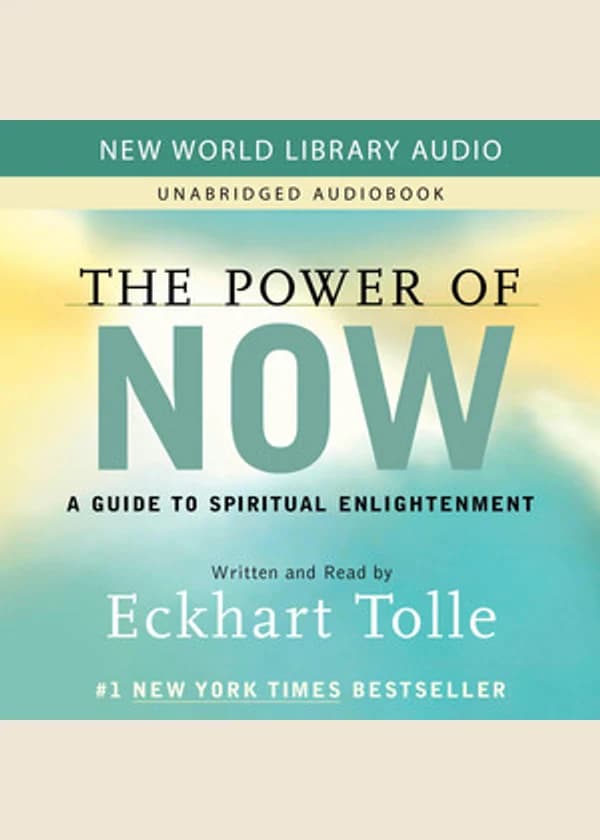
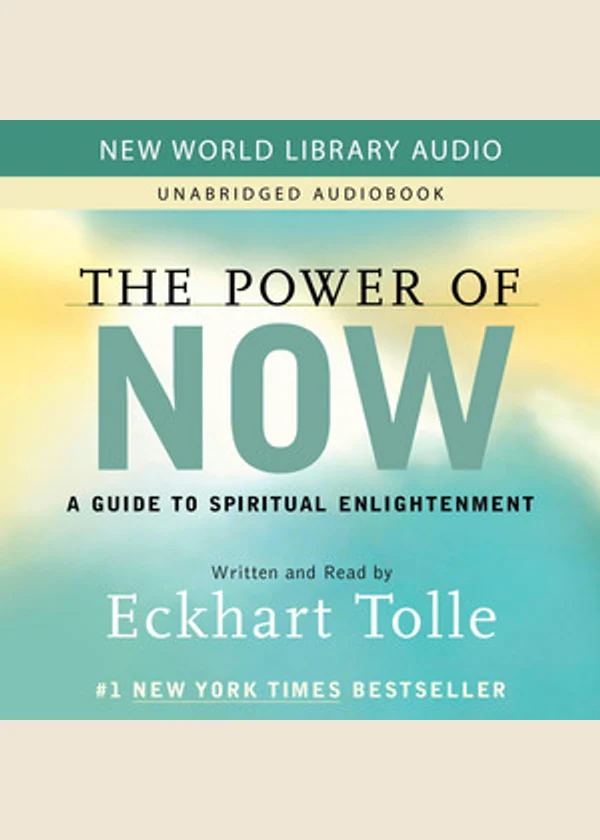
The Power of Now
Eckhart Tolle
Free to borrow from many public libraries, e.g. Libby ↗
About this book
Tolle argues that almost all suffering is manufactured by a mind that will not stop rehearsing the past or the future. The book is a practical case for treating the present moment as the only place life actually happens, with exercises for catching yourself thinking.
Book
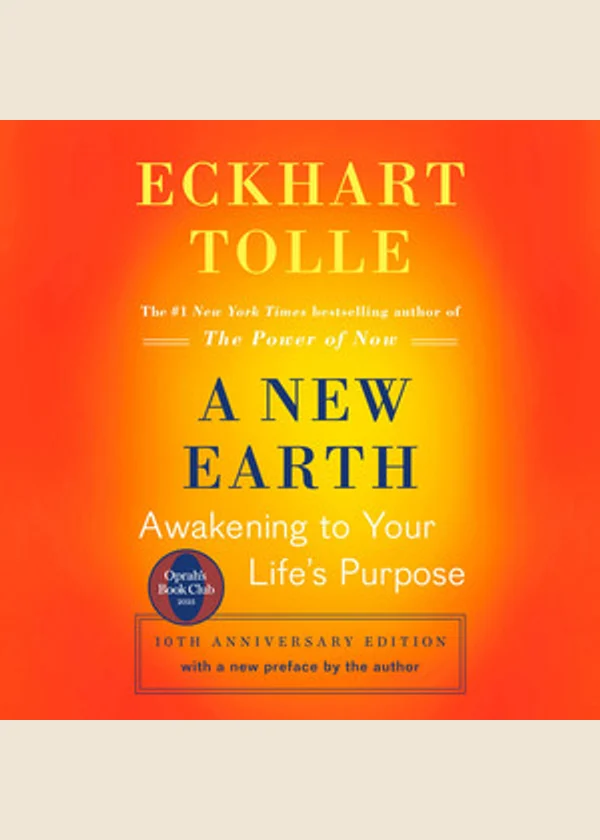
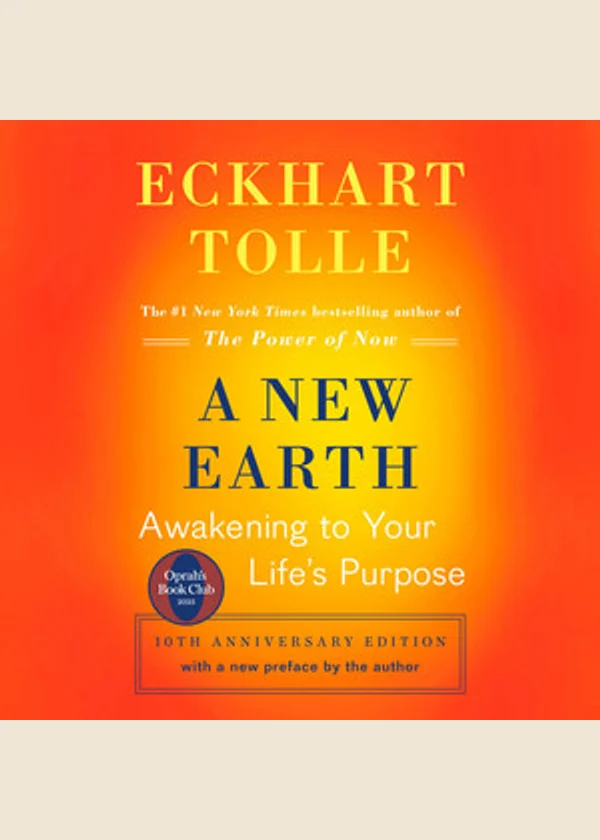
A New Earth
Eckhart Tolle
Free to borrow from many public libraries, e.g. Libby ↗
About this book
A study of the ego — the constructed self that needs to be right, to own, and to be seen. Tolle traces how it runs your reactions and relationships, and what is left when you stop identifying with it.
Book
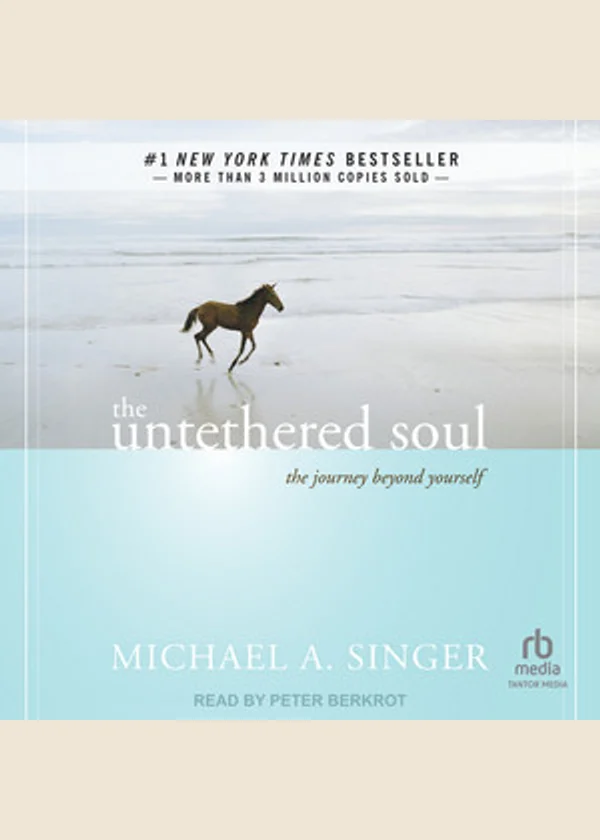
The Untethered Soul
Michael A. Singer
Free to borrow from many public libraries, e.g. Libby ↗
About this book
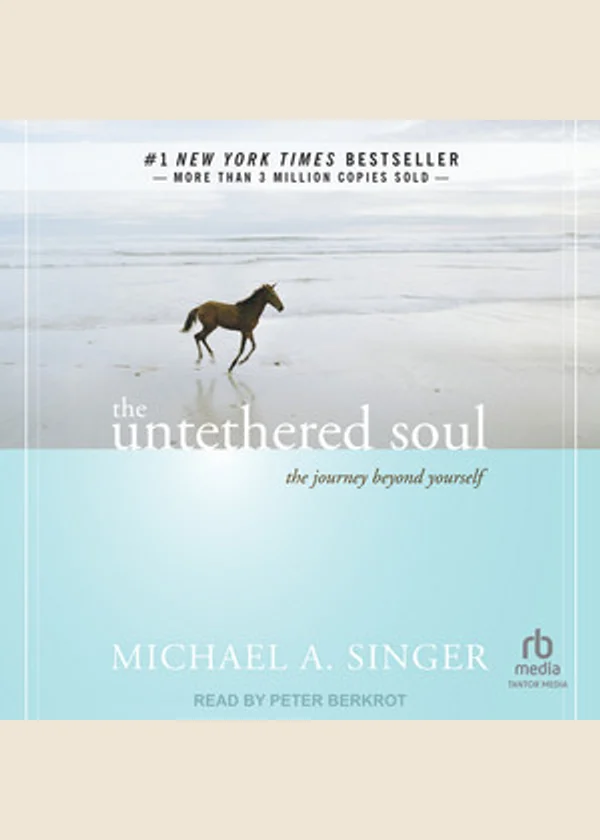
Singer starts from a simple observation: there is a voice narrating in your head, and you are the one hearing it. From there he builds a practical path to unhooking from that voice, and to letting emotion move through you instead of lodging.
Book
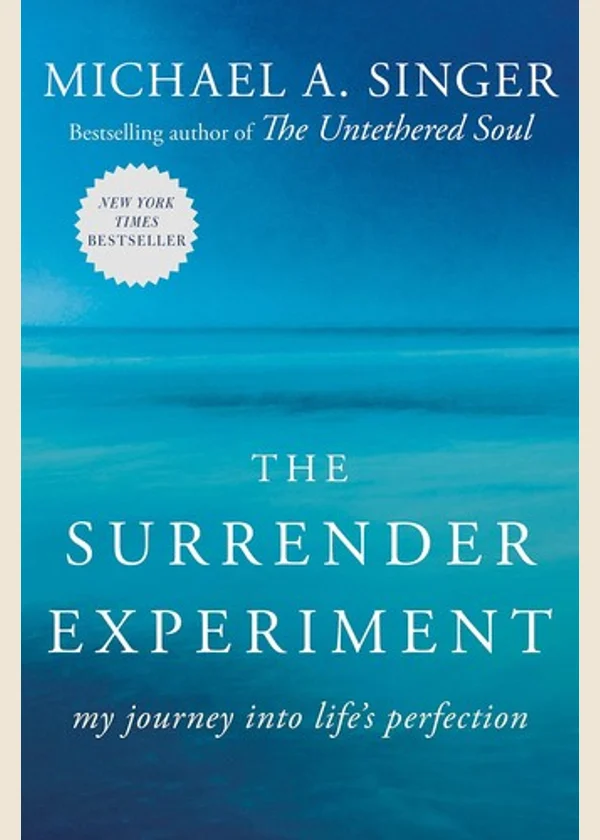
The Surrender Experiment
Michael A. Singer
Free to borrow from many public libraries, e.g. Libby ↗
About this book
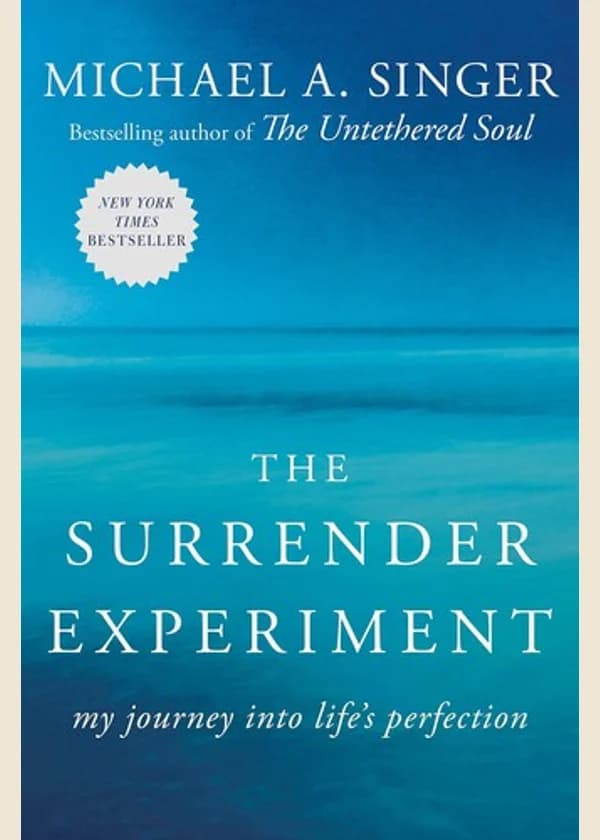
Singer's memoir of a forty-year experiment: whenever life presented something unasked-for, he said yes instead of steering. It carried him from a forest hut to running a billion-dollar company, and it makes a strange, concrete case for not gripping the wheel.
Book
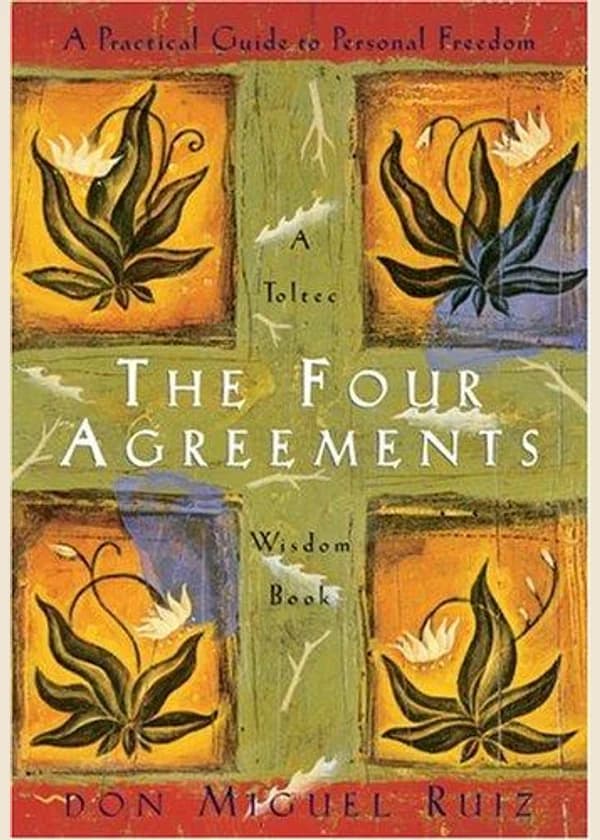
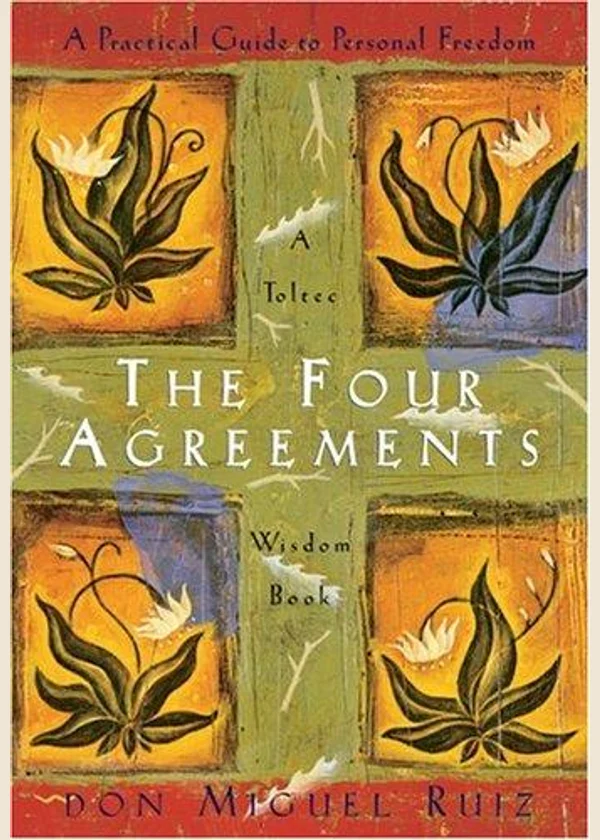
The Four Agreements
don Miguel Ruiz
Free to borrow from many public libraries, e.g. Libby ↗
About this book
Four commitments drawn from Toltec teaching: be impeccable with your word, take nothing personally, make no assumptions, always do your best. Ruiz frames them as a way out of the agreements you absorbed as a child without ever consenting to them.
Book
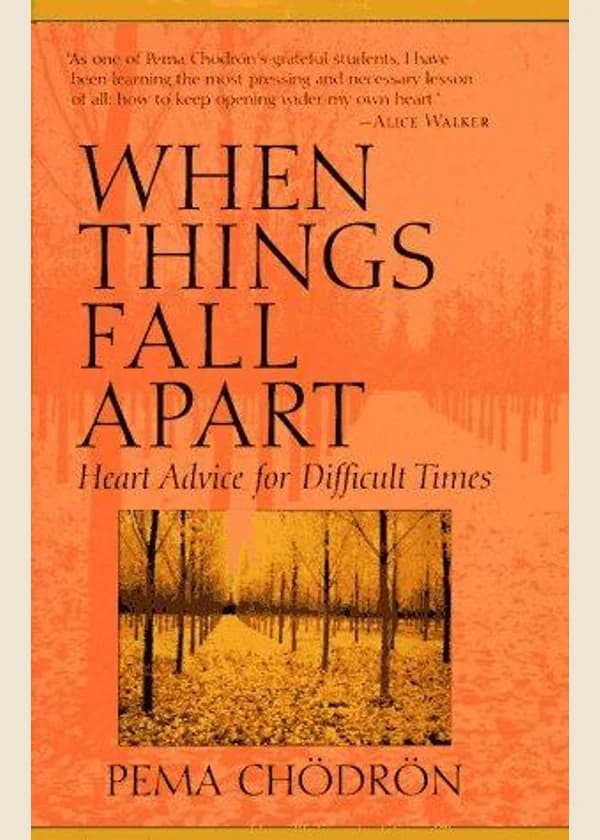
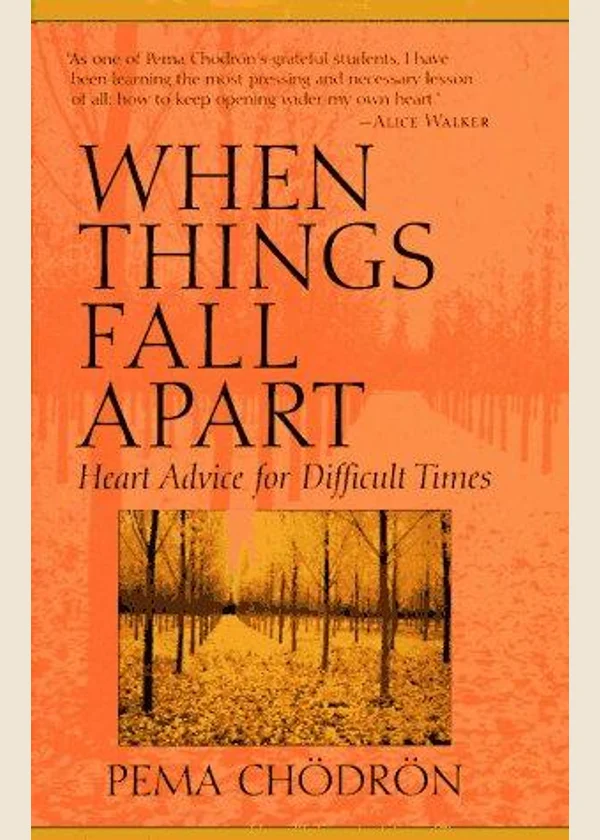
When Things Fall Apart
Pema Chödrön
Free to borrow from many public libraries, e.g. Libby ↗
About this book
Written for the moments when nothing can be fixed, this is Pema Chödrön's argument for staying with pain rather than escaping it. She treats groundlessness not as a crisis to solve but as the most honest place to practise from.
Book
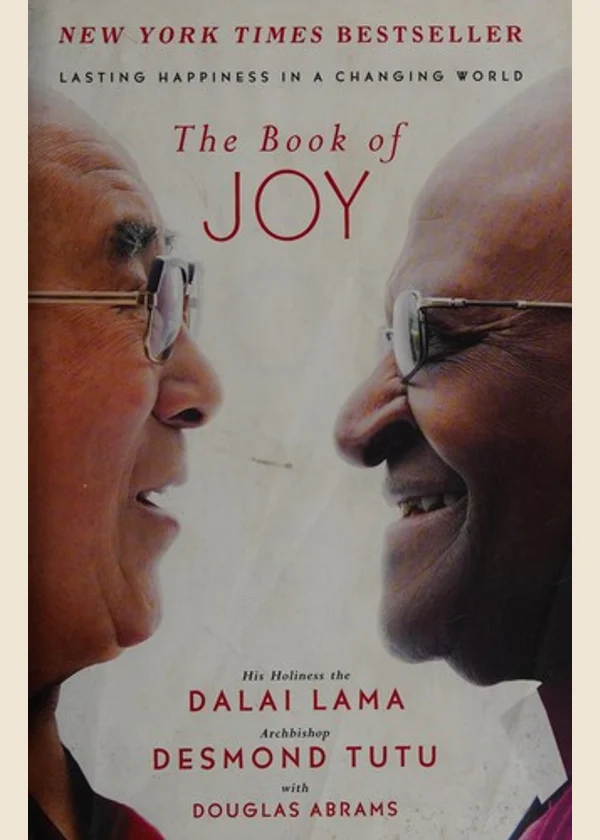
The Book of Joy
Dalai Lama & Desmond Tutu
Free to borrow from many public libraries, e.g. Libby ↗
About this book
The Dalai Lama and Desmond Tutu spent a week together discussing how to stay joyful in a world of suffering — two men who between them survived exile and apartheid. Part transcript, part portrait of a friendship, part practical guide.
Book
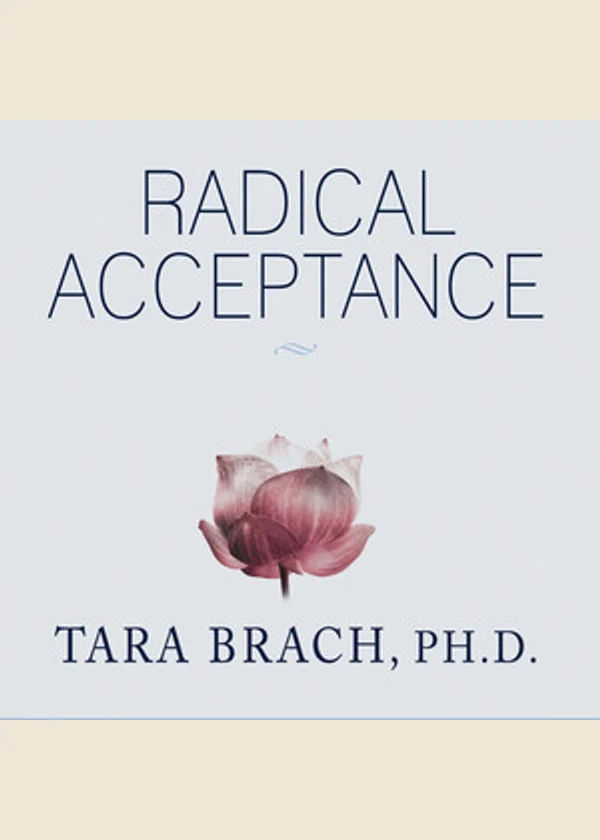
Radical Acceptance
Tara Brach
Free to borrow from many public libraries, e.g. Libby ↗
About this book
Brach names the 'trance of unworthiness' — the background conviction that something is wrong with you — and shows how it drives perfectionism and self-attack. She pairs Buddhist practice with clinical psychology to meet yourself without flinching.
Book
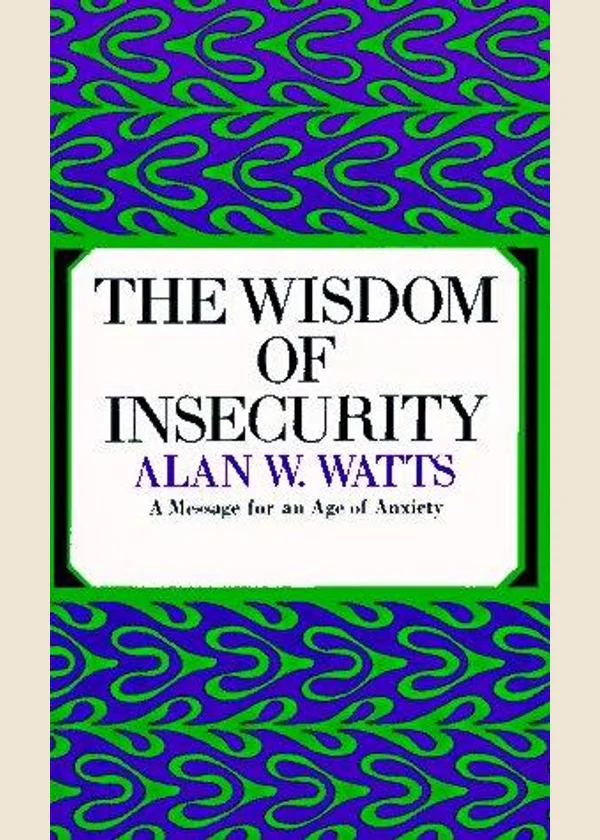
The Wisdom of Insecurity
Alan Watts
Free to borrow from many public libraries, e.g. Libby ↗
About this book
Watts makes the case that our anxiety comes from trying to secure a life that is, by nature, in motion. Written in 1951 and startlingly current, it argues that the search for certainty is what keeps us from the present.
Book
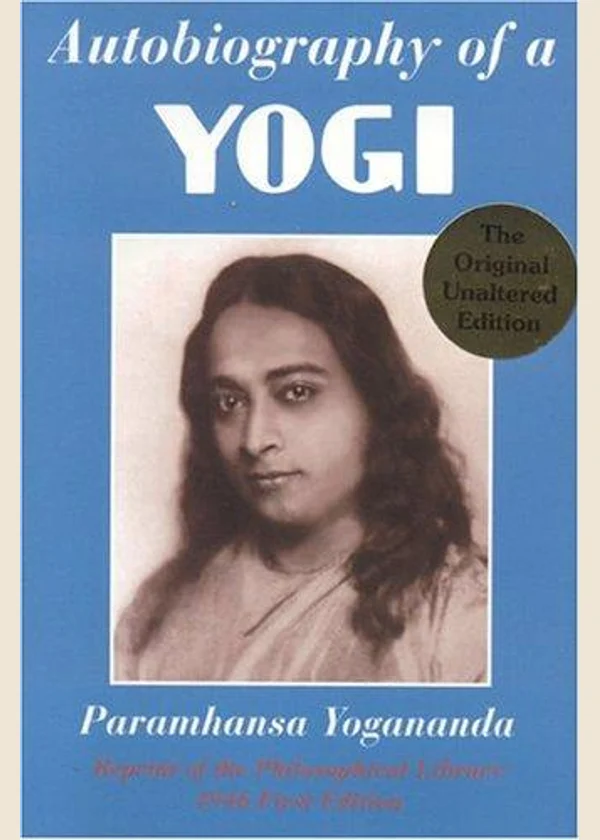
Autobiography of a Yogi
Paramahansa Yogananda
Free to read online · Project Gutenberg · 1946 first edition
About this book
Yogananda's account of his training in India and his work bringing yoga to the West, filled with encounters with teachers and saints. It is the book that introduced meditation to millions of Western readers and still reads like a travelogue of the interior.
Book
Letting Go
David R. Hawkins
Free to borrow from many public libraries, e.g. Libby ↗
About this book
Hawkins offers a single mechanism: stop analysing a feeling and simply allow it to run its course until its charge is spent. The book maps a hierarchy of emotional states and explains how surrendering moves you up it.
Book
The Body Keeps the Score
Bessel van der Kolk
Free to borrow from many public libraries, e.g. Libby ↗
About this book
Van der Kolk's landmark work on how trauma physically reshapes the brain and nervous system, based on decades of clinical practice. It explains why talking is often not enough, and why body-based approaches — yoga, EMDR, neurofeedback — reach what words cannot.
Book
How to Do the Work
Dr Nicole LePera
Free to borrow from many public libraries, e.g. Libby ↗
About this book
LePera left conventional talk therapy to build a self-directed model of healing, tracing adult patterns back to childhood conditioning and nervous-system state. Practical and exercise-driven, aimed at people doing the work without a therapist in the room.
Book
Set Boundaries, Find Peace
Nedra Glover Tawwab
Free to borrow from many public libraries, e.g. Libby ↗
About this book
Tawwab, a practising therapist, treats boundaries as a learnable skill rather than a personality trait. She covers what to say, to whom, and how to sit with the guilt that follows — with scripts for the conversations people dread.
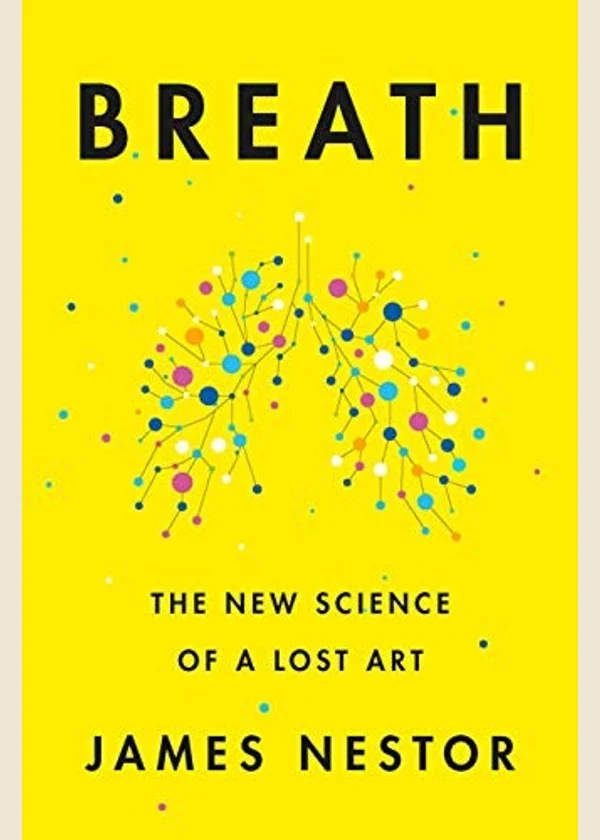
Free to borrow from many public libraries, e.g. Libby ↗
About this book
Nestor investigates how badly modern humans breathe and what it costs us, from sleep to anxiety to the shape of our faces. Part science reporting, part self-experiment, including ten days with his nose deliberately blocked.
Book
Why We Sleep
Matthew Walker
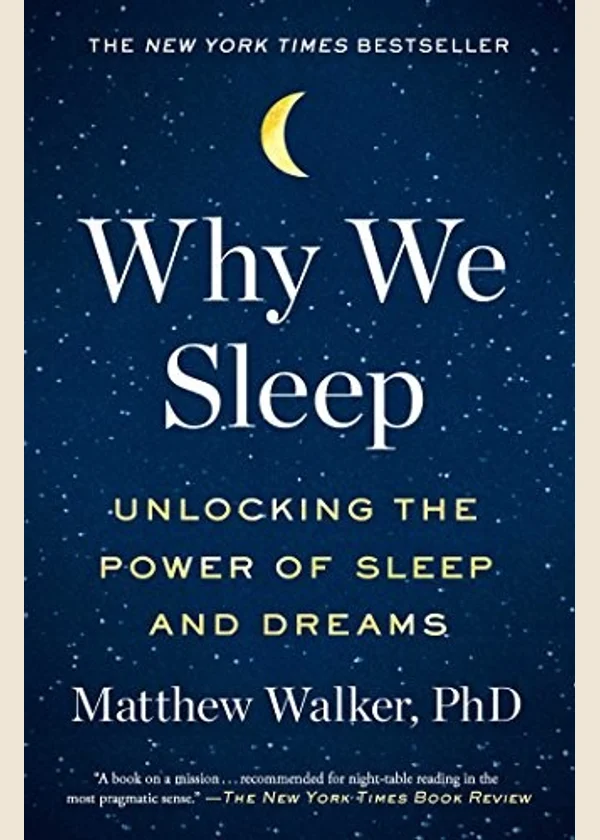
Free to borrow from many public libraries, e.g. Libby ↗
About this book
Walker sets out what four decades of sleep science actually shows: how sleep governs memory, immunity, mood and lifespan, and what happens as we lose it. Alarming, readable, and the strongest case yet for going to bed.
Book
Man's Search for Meaning
Viktor Frankl
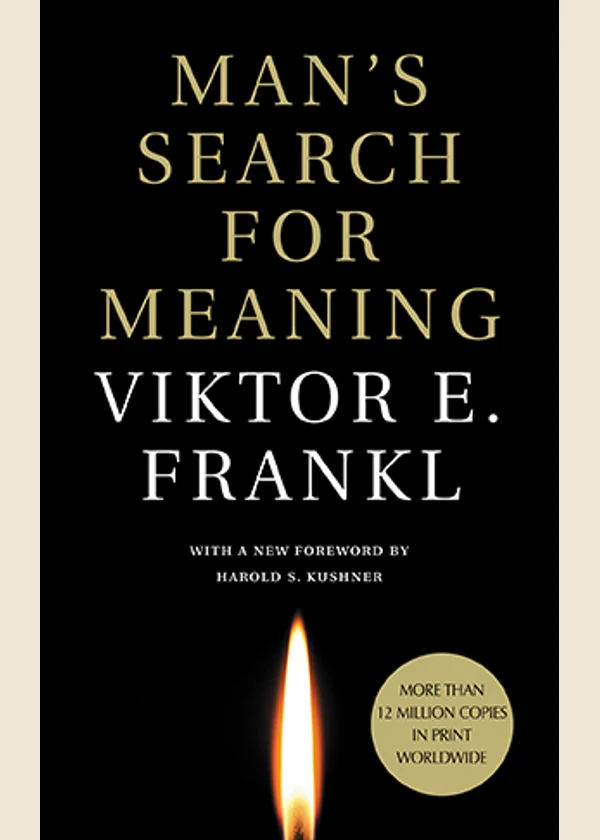
Free to borrow from many public libraries, e.g. Libby ↗
About this book
Frankl survived four concentration camps and wrote this in nine days. The first half is his account of the camps; the second sets out logotherapy, his conclusion that we can survive almost any circumstance if we find meaning in it.
Book
Atomic Habits
James Clear
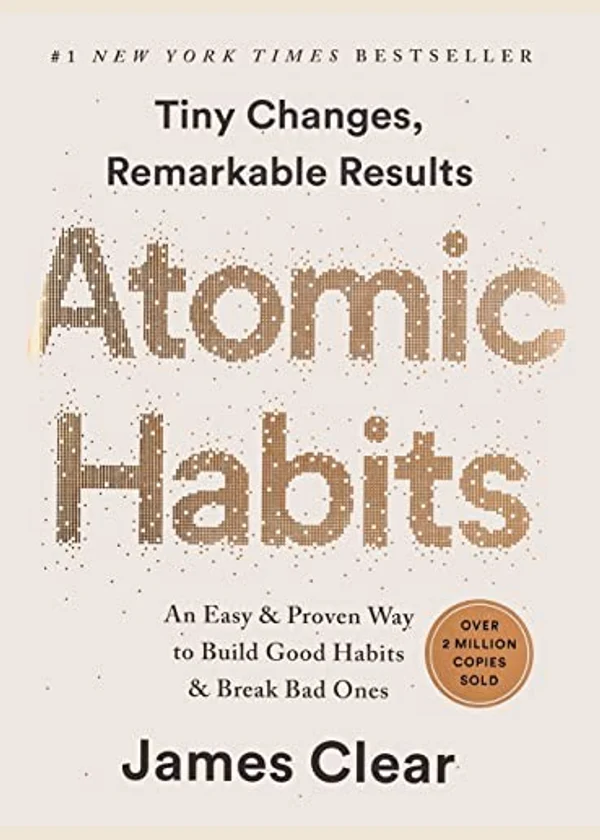
Free to borrow from many public libraries, e.g. Libby ↗
About this book
Clear's system for behaviour change rests on the compounding of very small actions and the design of the environment around them. Practical, evidence-based, and focused on identity — becoming the kind of person who does the thing.
Book
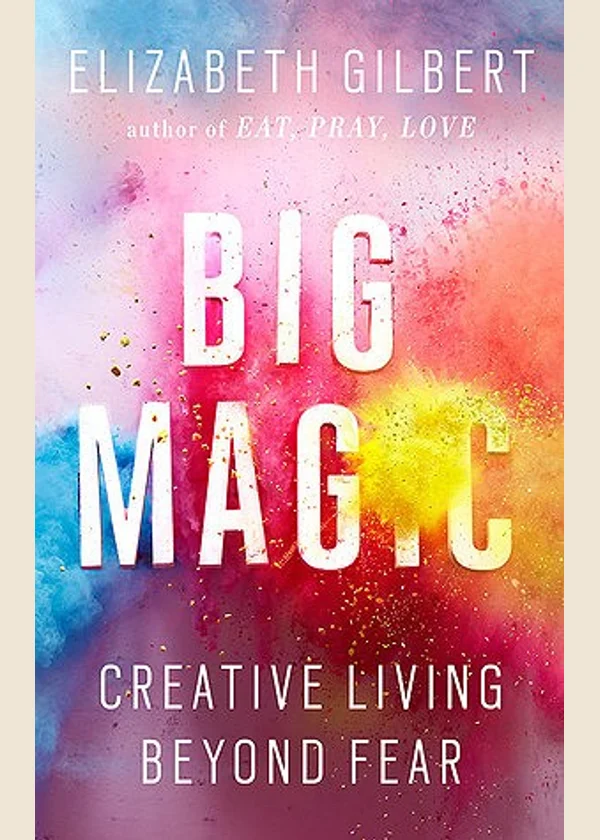
Big Magic
Elizabeth Gilbert
Free to borrow from many public libraries, e.g. Libby ↗
About this book
Gilbert's argument for making things without demanding that they justify themselves through money, praise or suffering. She treats creativity as something curious and available rather than tortured, and is blunt about fear's actual role.
Book
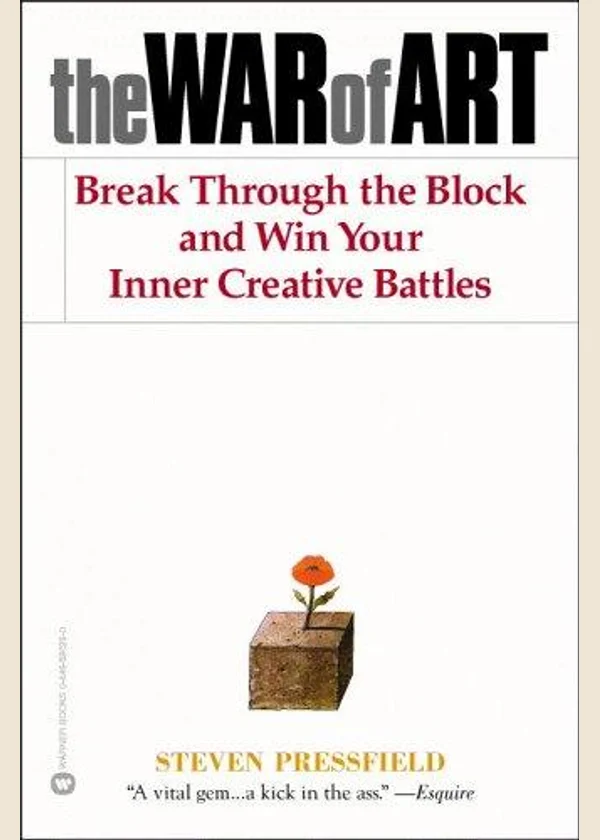
The War of Art
Steven Pressfield
Free to borrow from many public libraries, e.g. Libby ↗
About this book
Pressfield names the enemy — Resistance — and describes how it appears as procrastination, fear and self-doubt whenever work matters. Short, unsentimental chapters on turning professional about your own creative practice.
Book
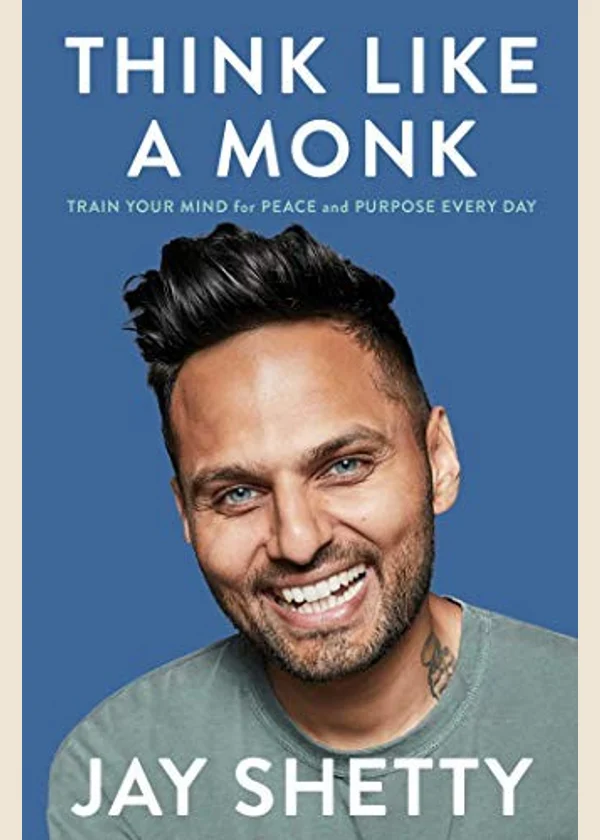
Think Like a Monk
Jay Shetty
Free to borrow from many public libraries, e.g. Libby ↗
About this book
Shetty spent three years as a monk before returning to secular life, and translates that training into practice for people with jobs and phones. Covers identity, negativity, fear and purpose in short, usable chapters.
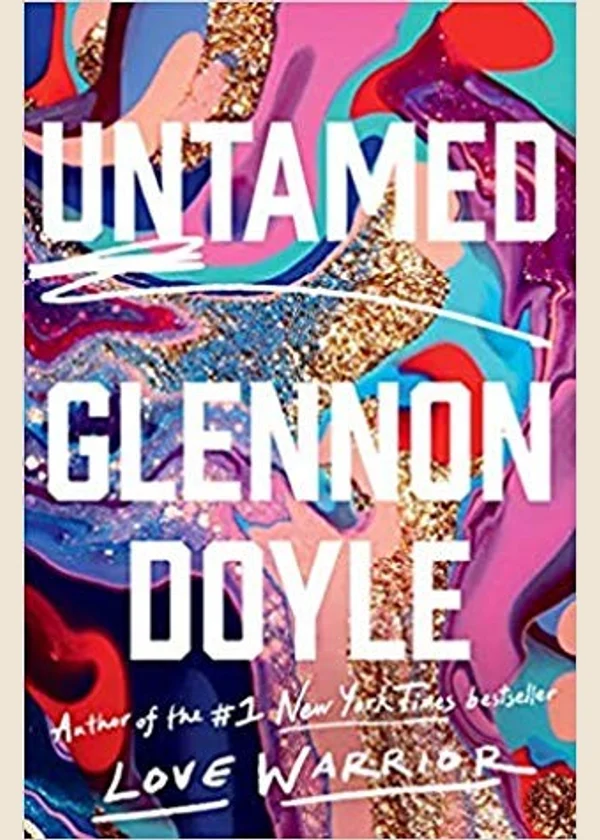
Free to borrow from many public libraries, e.g. Libby ↗
About this book
Doyle's memoir of dismantling a life that looked right from the outside — the marriage, the faith, the good behaviour — and rebuilding it around what she actually wanted. Written in short, hard-hitting sections about the cost of being tame.
Book
The Alchemist
Paulo Coelho
Free to borrow from many public libraries, e.g. Libby ↗
About this book
A shepherd boy leaves Andalusia for the Egyptian pyramids chasing a recurring dream of treasure. Coelho's fable is about following your calling, and about how the journey rearranges the person who set out on it.
Book
You Can Heal Your Life
Louise Hay
Free to borrow from many public libraries, e.g. Libby ↗
About this book
Hay's foundational self-healing text, built on the claim that thought patterns and self-talk shape physical and emotional wellbeing. Includes the affirmations and mirror work that shaped much of the self-help writing that followed.
Book
The Universe Has Your Back
Gabby Bernstein
Free to borrow from many public libraries, e.g. Libby ↗
About this book
Bernstein's practice for choosing faith over fear when life is uncertain, drawn from her own recovery and spiritual study. Structured as a set of methods for interrupting anxiety and returning to trust.
Book
The Top Five Regrets of the Dying
Bronnie Ware
Free to borrow from many public libraries, e.g. Libby ↗
About this book
Ware spent years in palliative care and recorded what people said at the end. The five regrets she heard repeatedly — chiefly about work, honesty and friendship — form a plain argument for changing course while there is time.
Book
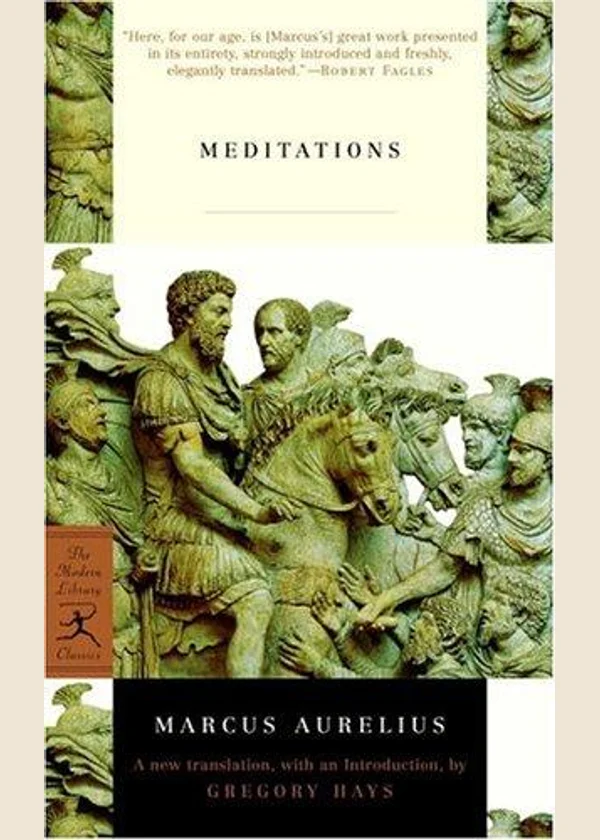
Meditations
Marcus Aurelius
Free to read online · Standard Ebooks · George Long translation
About this book
The private notebook of a Roman emperor, written on campaign and never intended for publication. Marcus Aurelius reminds himself, again and again, what is within his control and what is not — the founding text of practical Stoicism.
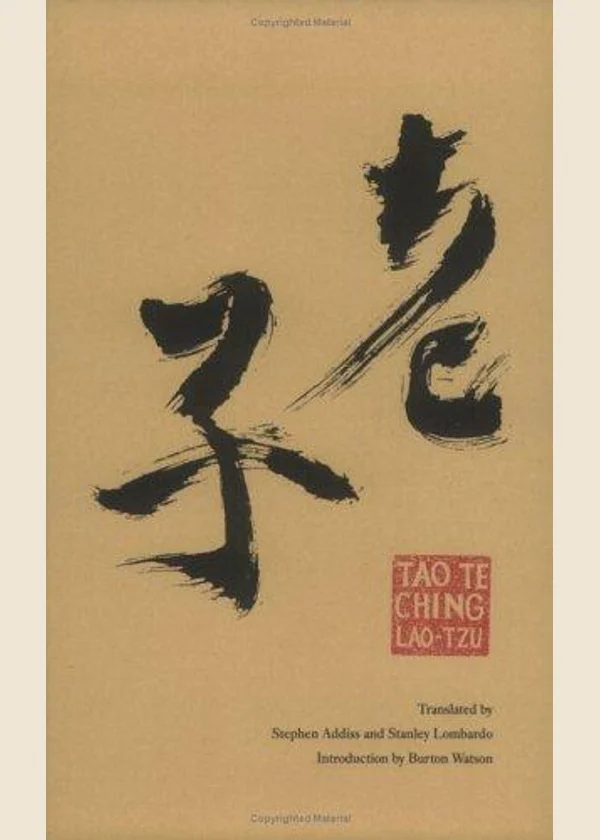
Free to read online · Standard Ebooks · James Legge translation
About this book
The root text of Taoism, some 2,500 years old and barely 5,000 words. In eighty-one short verses Lao Tzu circles the Tao — the way things are — and argues for yielding, simplicity and acting without forcing.
Book
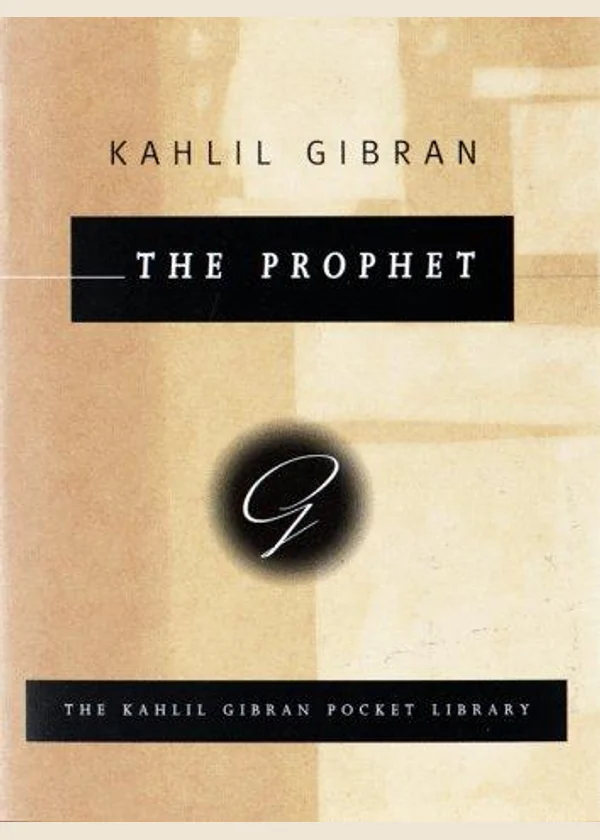
The Prophet
Kahlil Gibran
Free to read online · Standard Ebooks · 1923 edition
About this book
As the prophet Almustafa prepares to sail home, the people of the city ask him to speak on love, marriage, children, work and death. Gibran's twenty-six prose poems have stayed in print for a century for good reason.
Book
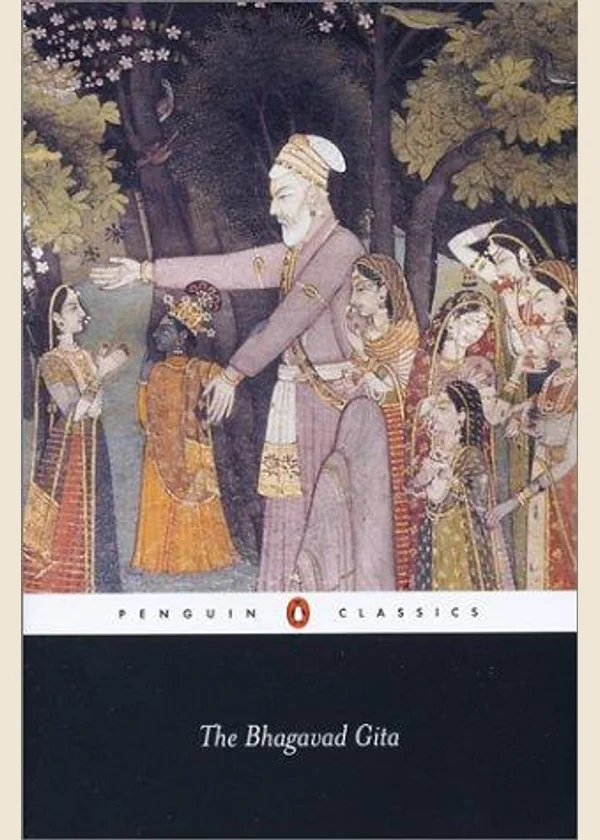
The Bhagavad Gita
Spotify audiobook
Free to borrow from many public libraries, e.g. Libby ↗
About this book
On the edge of a battlefield, a warrior refuses to fight and his charioteer — Krishna — answers him. The resulting dialogue is Hinduism's most beloved scripture, on duty, detachment from outcome, and the paths that lead to the divine.
Book
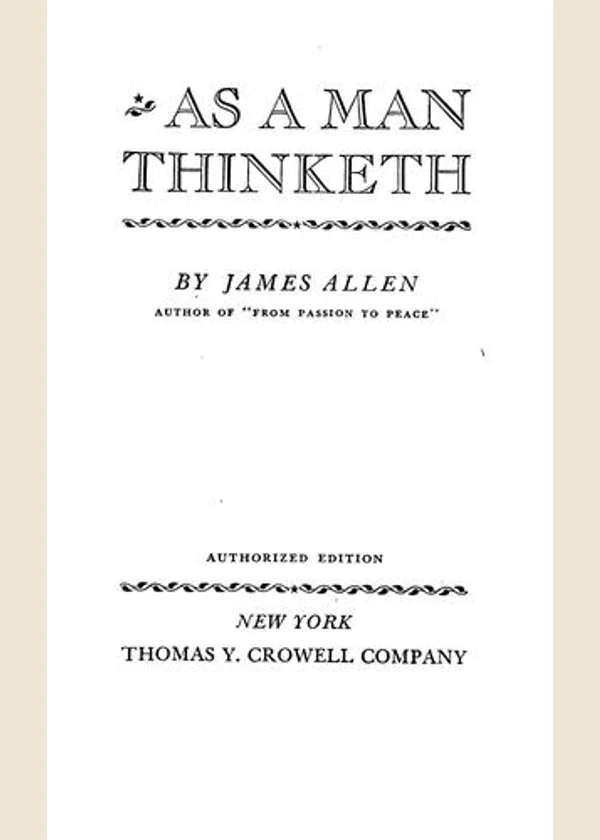
As a Man Thinketh
James Allen
Free to read online · Project Gutenberg · 1903 edition
About this book
Allen's 1903 essay makes one claim and follows it all the way down: a person is literally what they think, and character is thought made habit. Barely an hour to read, and the source of much that came after it.