Jawai & Bera

Safari & Wild/a journey we curate for you

Jawai & Bera

where the hills belong to the leopards

setting

Safari & Wild

where

Jawai & Bera, Pali District, Rajasthan, India

best season

October to March

ideal for

Wilderness Stillness Retreats

( the feeling of it )

The granite here was old before the Himalaya rose, and the leopards cross it like smoke. Nothing in Godwar hurries — not the herdsmen, not the cats, and in time, not you.

( the story )

Wild leopards live in plain sight among ancient granite domes here, sharing the hills with Rabari herdsmen in an unspoken truce that has held for generations.
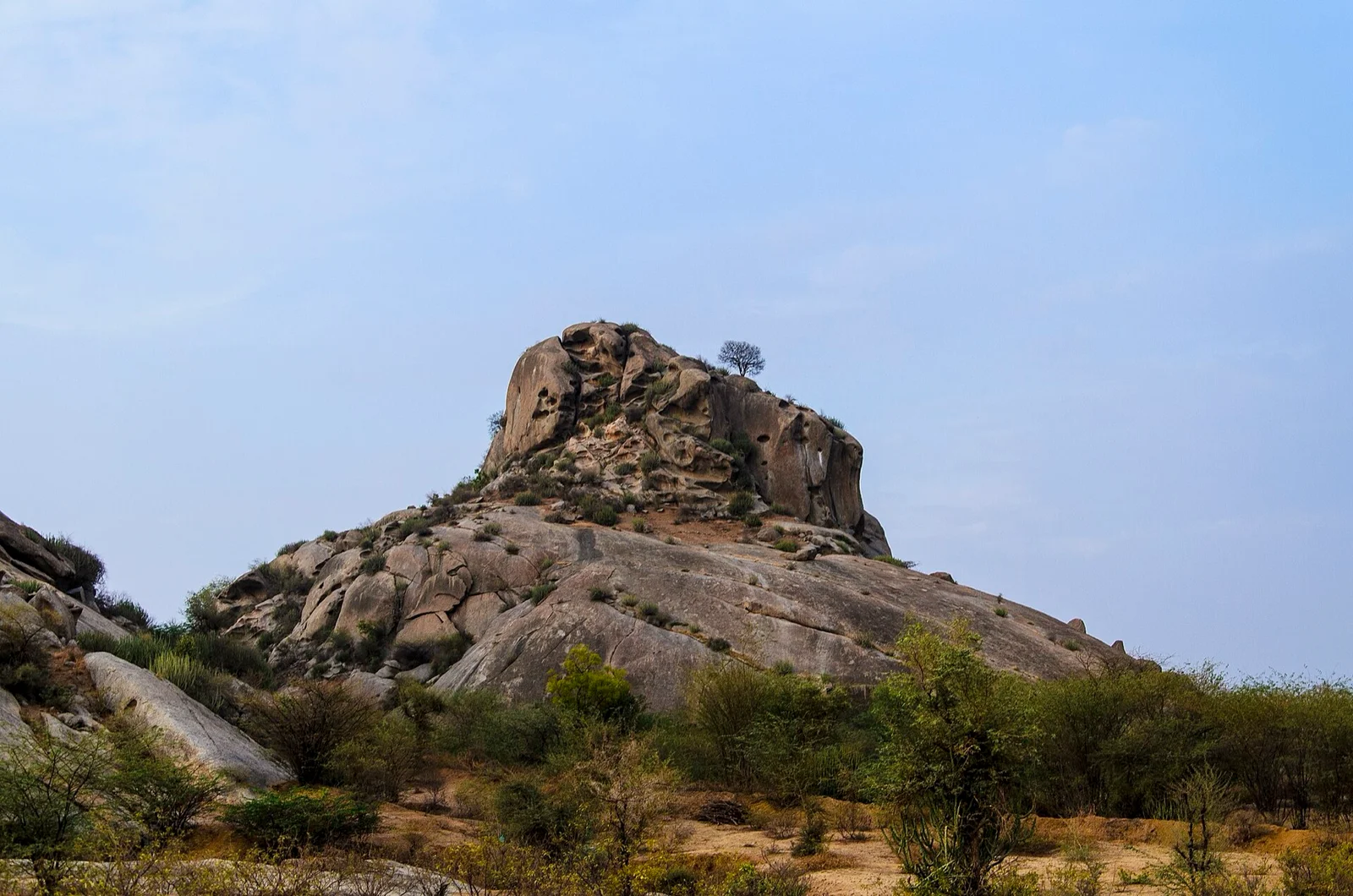
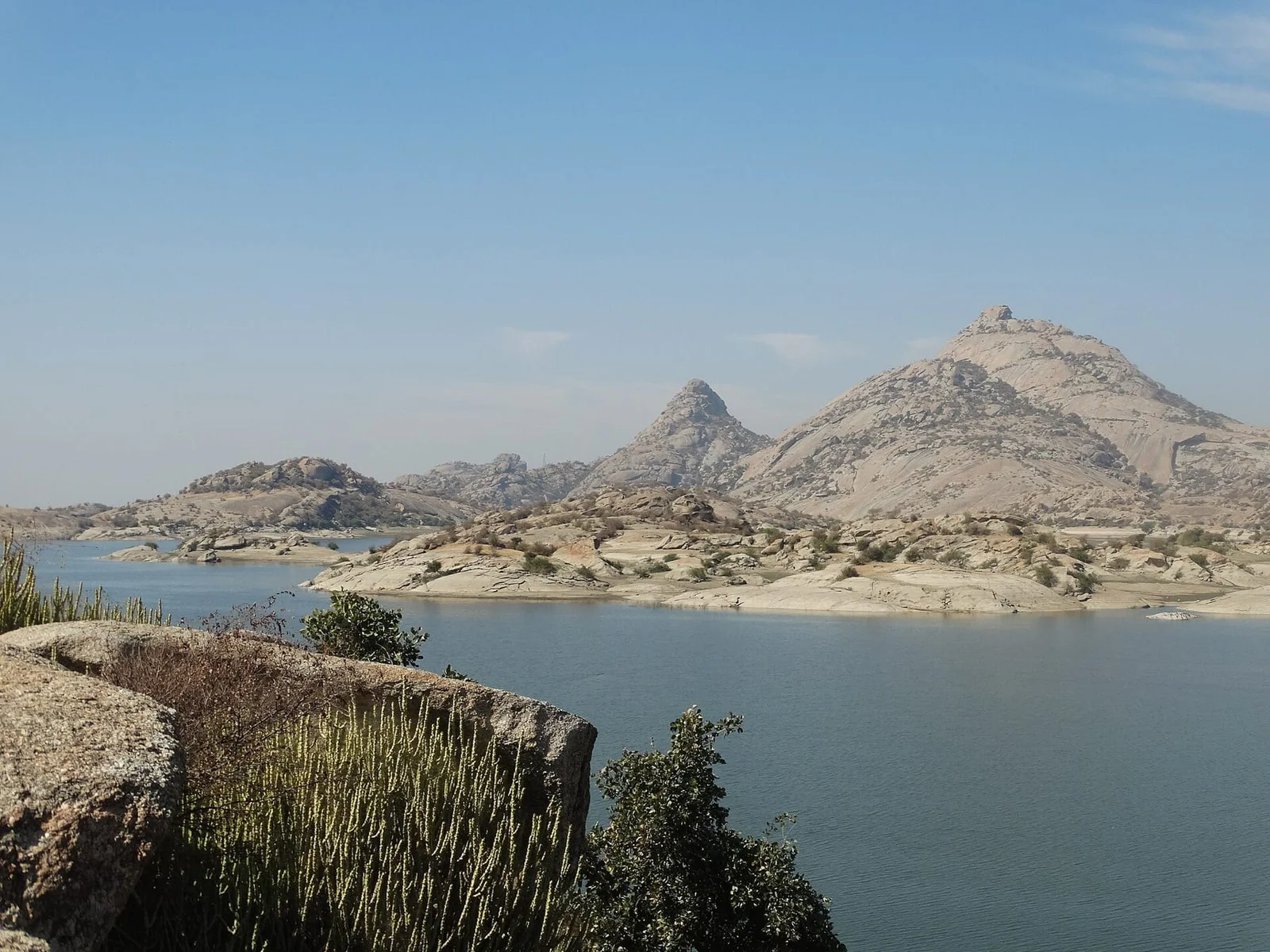
Jawai is pastoral Rajasthan at its most elemental: a country of vast granite domes — the worn stumps of the Aravalli, among the oldest mountains on earth — rising out of mustard fields and thorn scrub in the Godwar region of Pali district, between Marwar and Mewar. The caves in these hills hold one of India's densest wild leopard populations, some fifty to sixty cats, and the Rabari herdsmen who graze their flocks beneath them have lived alongside the animals for generations without conflict; a goat taken is counted an offering, not a loss. Below, Jawai Bandh — the reservoir behind western Rajasthan's largest dam, completed in 1957 — gathers mugger crocodiles on its shores and flamingoes, demoiselle cranes and bar-headed geese through the winter. Days move at the pace of a grazing flock: a still dawn drive, a long quiet middle, an evening on warm rock as the hills turn to copper. From October to March the mornings are cold and clear, and the leopards walk out onto the granite at first light.

A lone kopje above the thorn scrub, near Bera
A lone kopje above the thorn scrub, near BeraKoushik Ranjan Das · Wikimedia (CC BY-SA 4.0)

You don’t simply book a room in Jawai & Bera. You tell us what you’re seeking — stillness, ceremony, the mountains, the table — and we curate the days around you.

( field notes, dawn to night )

A day here

Dawn

Out in the open jeep before light, a blanket over your knees. The tracker cuts the engine below a kopje and you wait in the cold, listening. When the leopard steps onto the rock, you understand the waiting was the point.

Day

Slow hours at camp. Breakfast under a tree, yoga on warm stone, then a walk with a Rabari herdsman whose flock moves like weather across the grazing grounds.

Dusk

Down to the bandh as the light goes long — cranes lifting off the water, crocodiles still as driftwood on the shore, the hills turning to copper behind you.

Night

Dinner by the fire, then the dark. The stars come down close. Far off in the rocks, a leopard's rasping call — the sound of the hills going about their business.

( what stays with you )

The experience
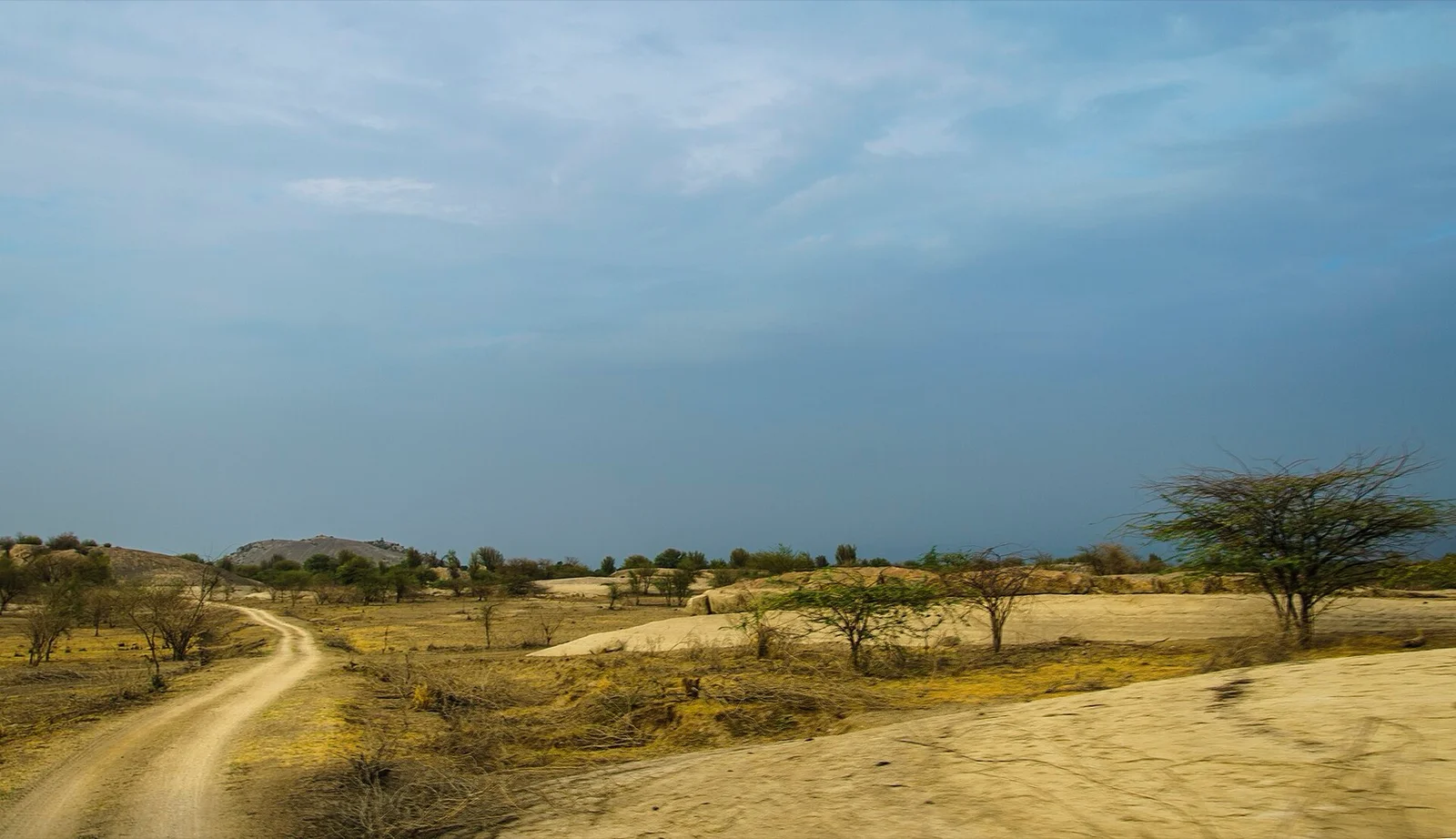
The dawn drive

The dawn drive

You leave camp in the dark and follow a sand track into the hills, engine low, the sky paling at the edges. The drive is not a pursuit. You stop, you wait, you watch a kopje the way you might watch your own breath — and the country slowly switches on around you.

Koushik Ranjan Das · Wikimedia (CC BY-SA 4.0)
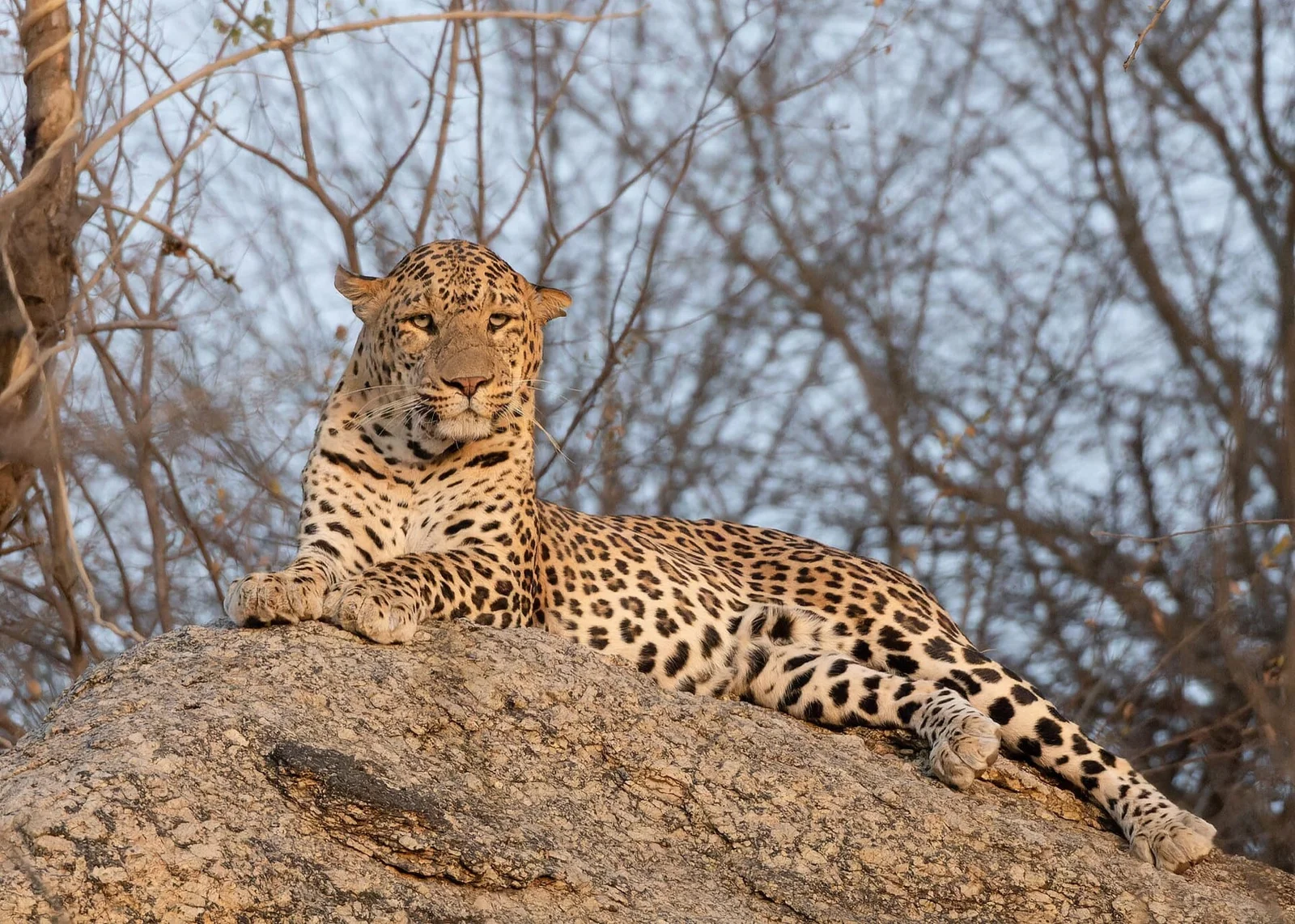
Waiting for leopards

Waiting for leopards

Some fifty to sixty leopards live in the granite caves above these villages — one of the densest wild populations in India, and nothing is fenced. A tracker reads the rocks, and when a cat appears, draped on a ledge and entirely unbothered, you understand why people speak softly here.

Tisha Mukherjee · Wikimedia (CC BY-SA 4.0)
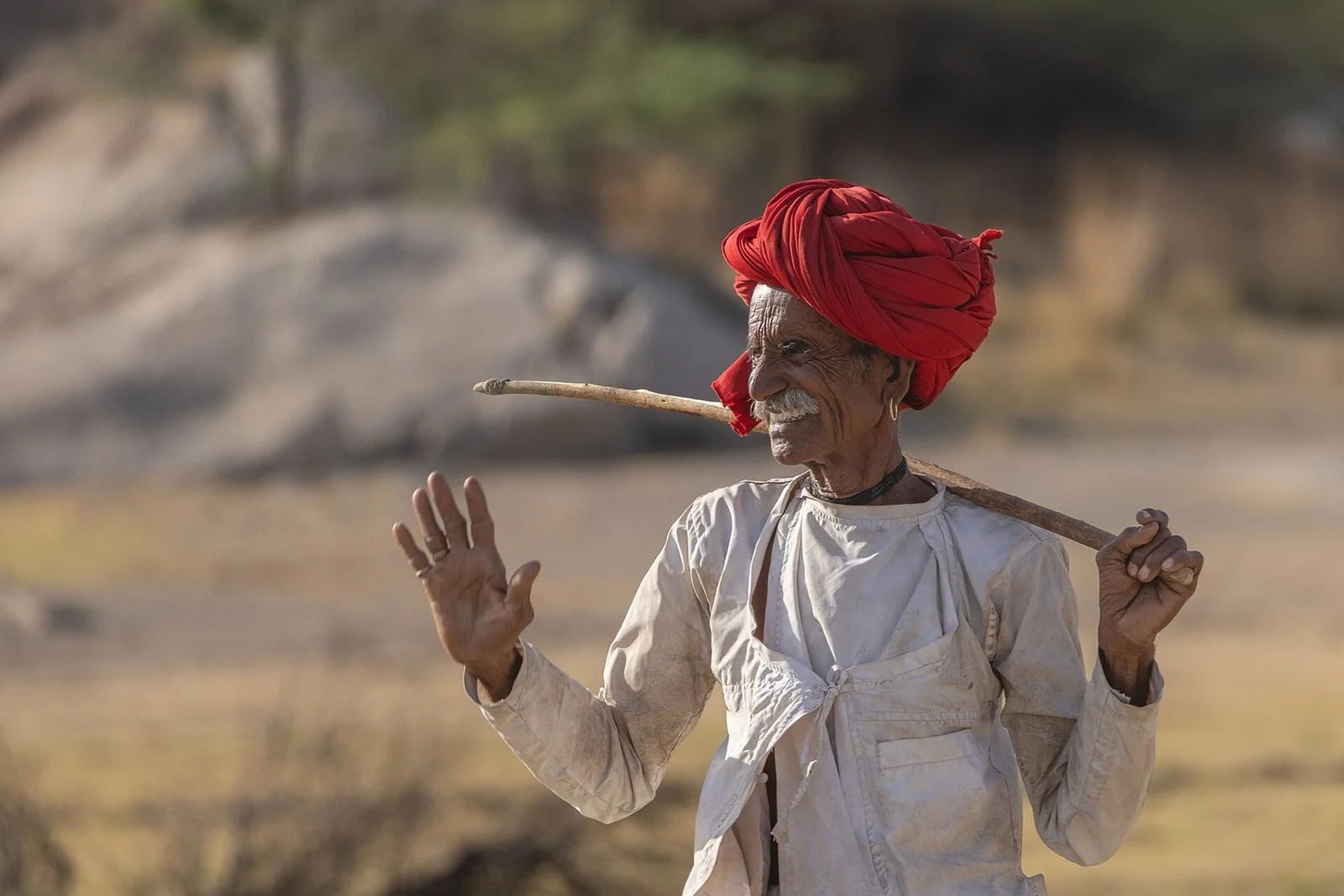
Walking with the Rabari

Walking with the Rabari

The red-turbaned herdsmen of Godwar have grazed these hills for centuries, losing the odd goat to the leopards and bearing it as a kind of tithe to Shiva. Walk a morning with a flock and its keeper. It is a masterclass in unhurried attention.

Paramanu Sarkar · Wikimedia (CC BY-SA 4.0)
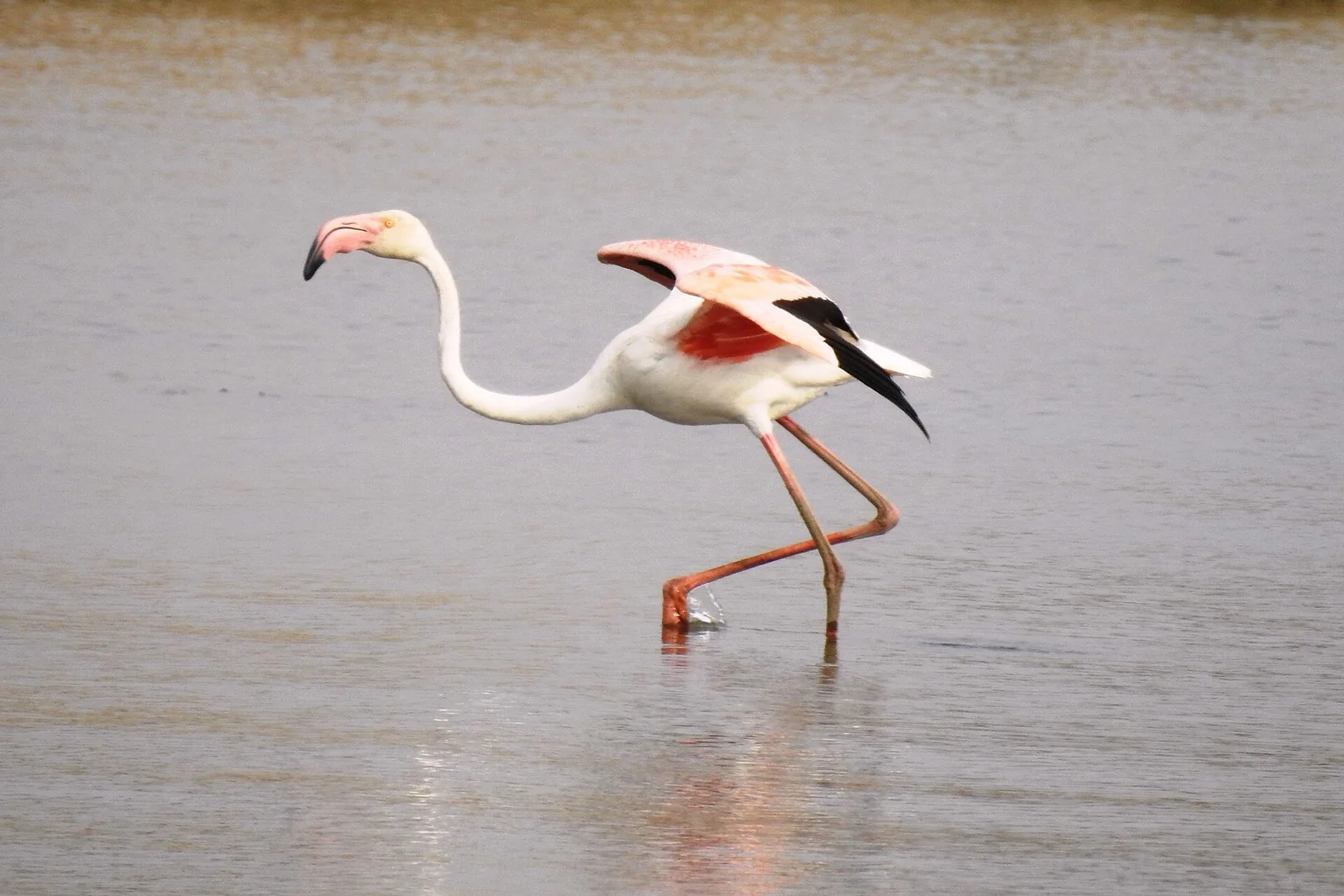
An evening at the bandh

An evening at the bandh

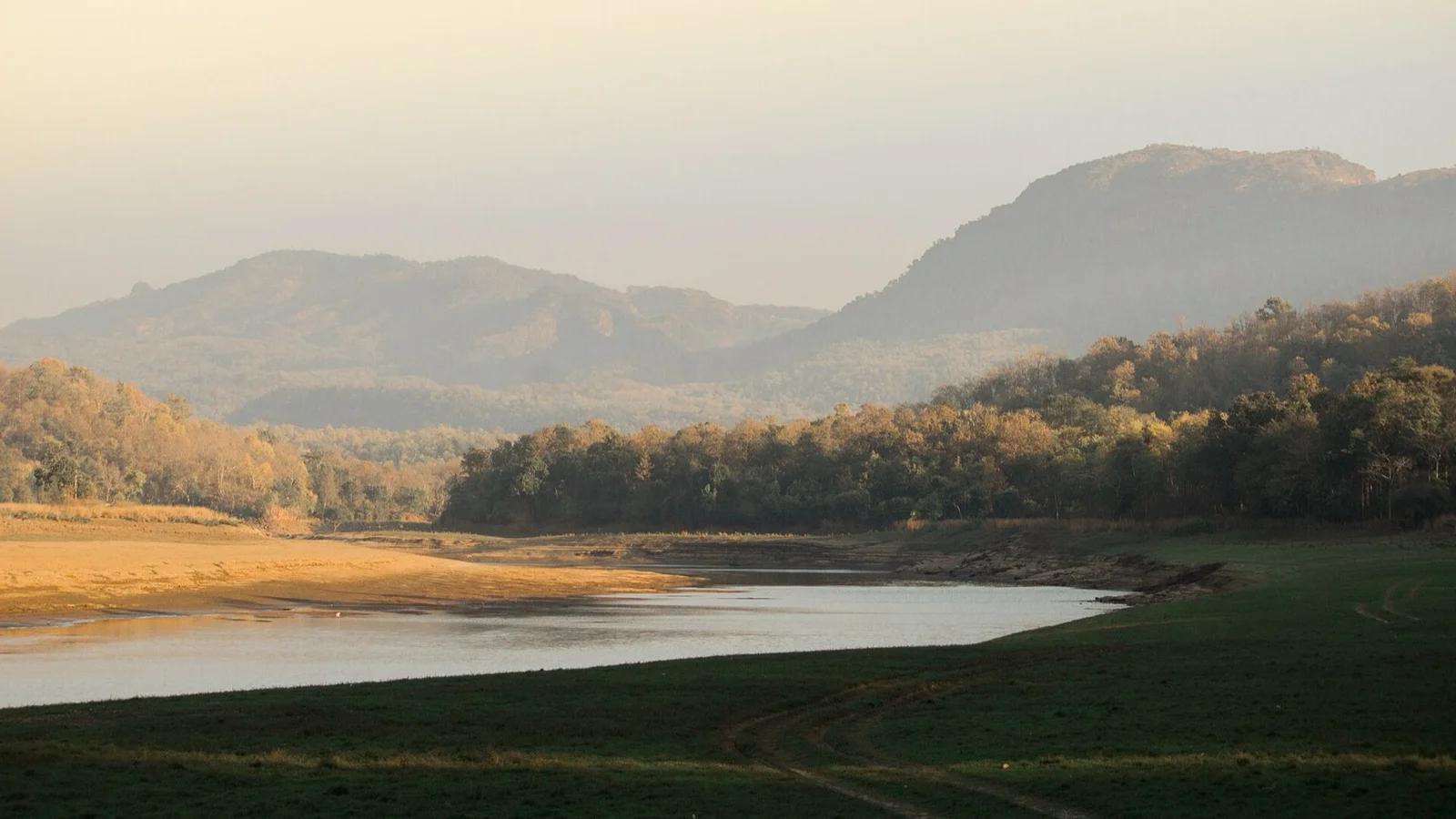
The reservoir fills each monsoon and spends the winter giving the water back. Flamingoes work the shallows, demoiselle cranes come and go, and mugger crocodiles haul out on the banks like old logs. You sit on warm granite and let the light go.

Koushik Ranjan Das · Wikimedia (CC BY-SA 4.0)
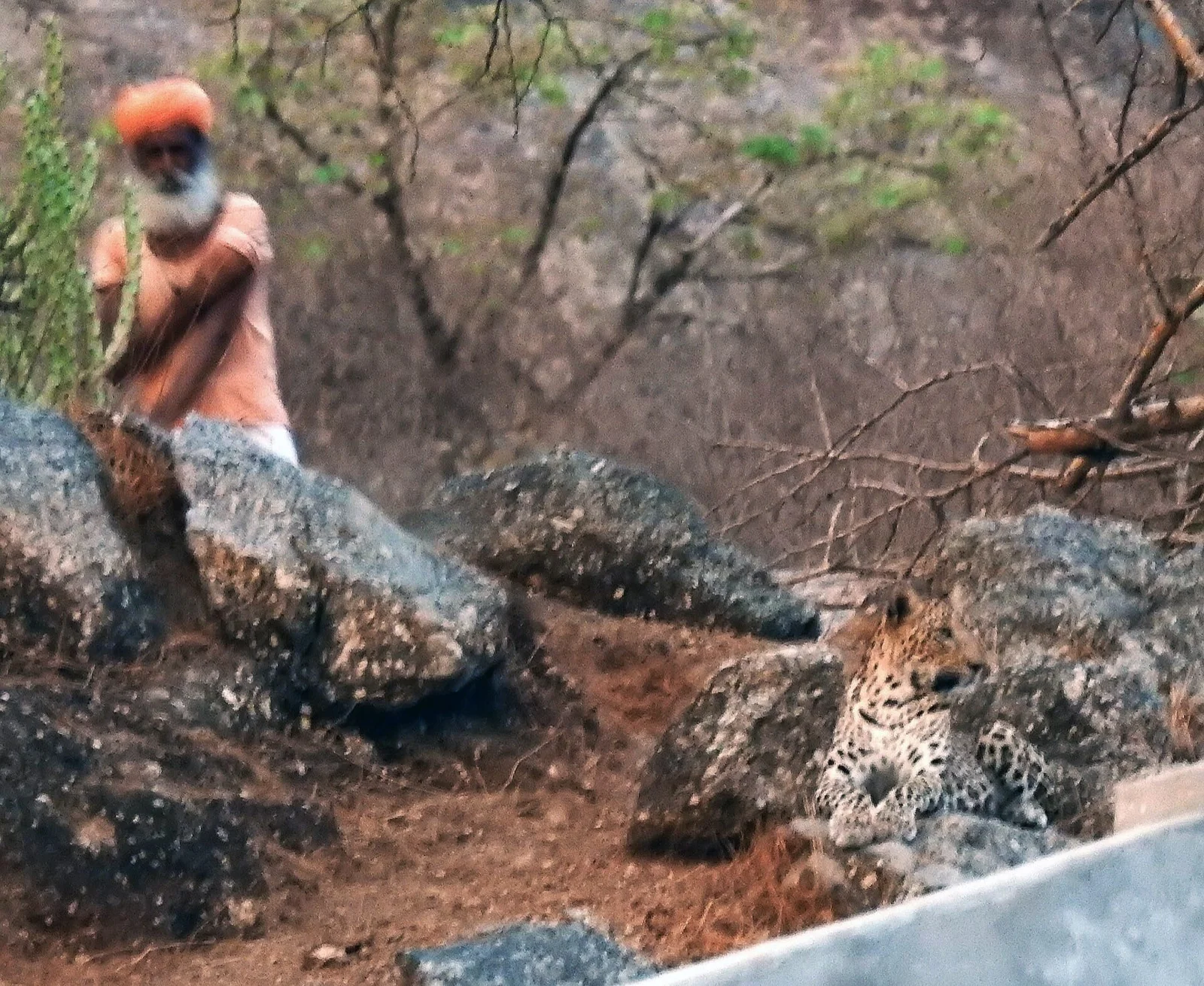
The priest and the leopard

The priest and the leopard

At hilltop cave shrines like Devgiri, priests climb past leopard dens to ring the morning bell, and have done so for generations without harm. Whatever you call the arrangement — faith, truce, habit — it is the quietest lesson in coexistence you will ever be shown.

Koushik Ranjan Das · Wikimedia (CC BY-SA 4.0)

Experiences we can arrange

Leopard Safaris
Yoga & Meditation
Rabari Village Walks
Birding at the Reservoir
Evenings on the Granite
Night Sky Sessions

( let us curate your retreat )

Jawai teaches you to wait without wanting. The leopards are seen here precisely because nobody chases them; patience is the whole practice. After a few days of moving at the pace of flocks and shadows, you notice you have stopped scanning for the next thing. You watch one hill for an hour, and the hour feels well spent.

Come and learn what the herdsmen have always known — that you can share a place with something wild and be the calmer for it.

best time to visit — October to March — cold, clear mornings, warm golden days, and the reservoir busy with wintering birds.

tell us what you're seeking · we compose the days around you

have us curate this →