Satpura

Safari & Wild/a journey we curate for you

Satpura

the forest, at walking pace

setting

Safari & Wild

where

Satpura Tiger Reserve, Madhya Pradesh, India

best season

October to March

ideal for

Slow Safari Retreats

( the feeling of it )

The jeeps fall away and the forest opens at walking pace. In India's quietest tiger reserve, you arrive by boat and learn the land on foot — slowly, the way it was meant to be read.

( the story )

India's quietest tiger reserve, where you cross the water by boat, leave the jeep behind, and learn the forest on foot.
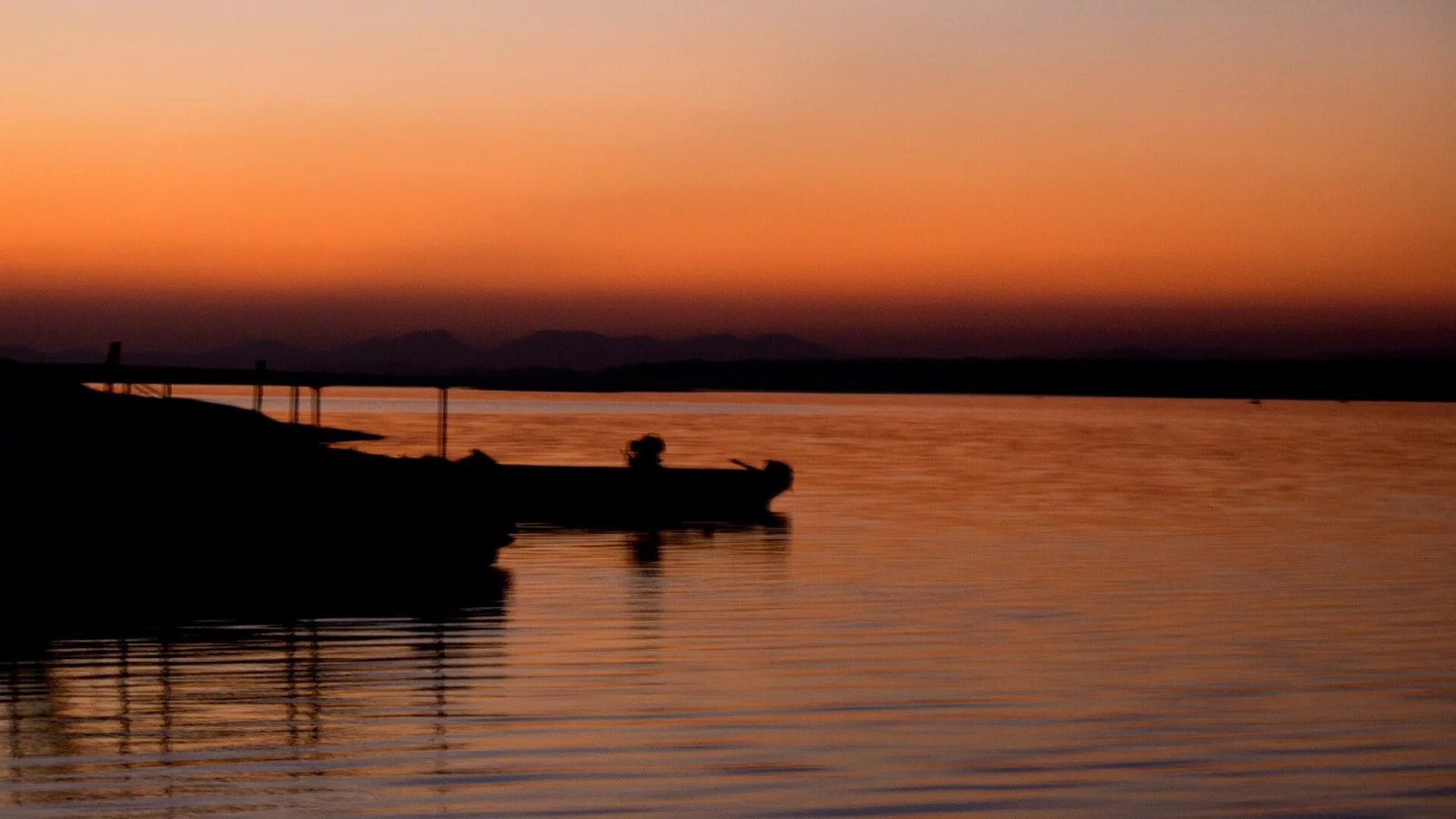
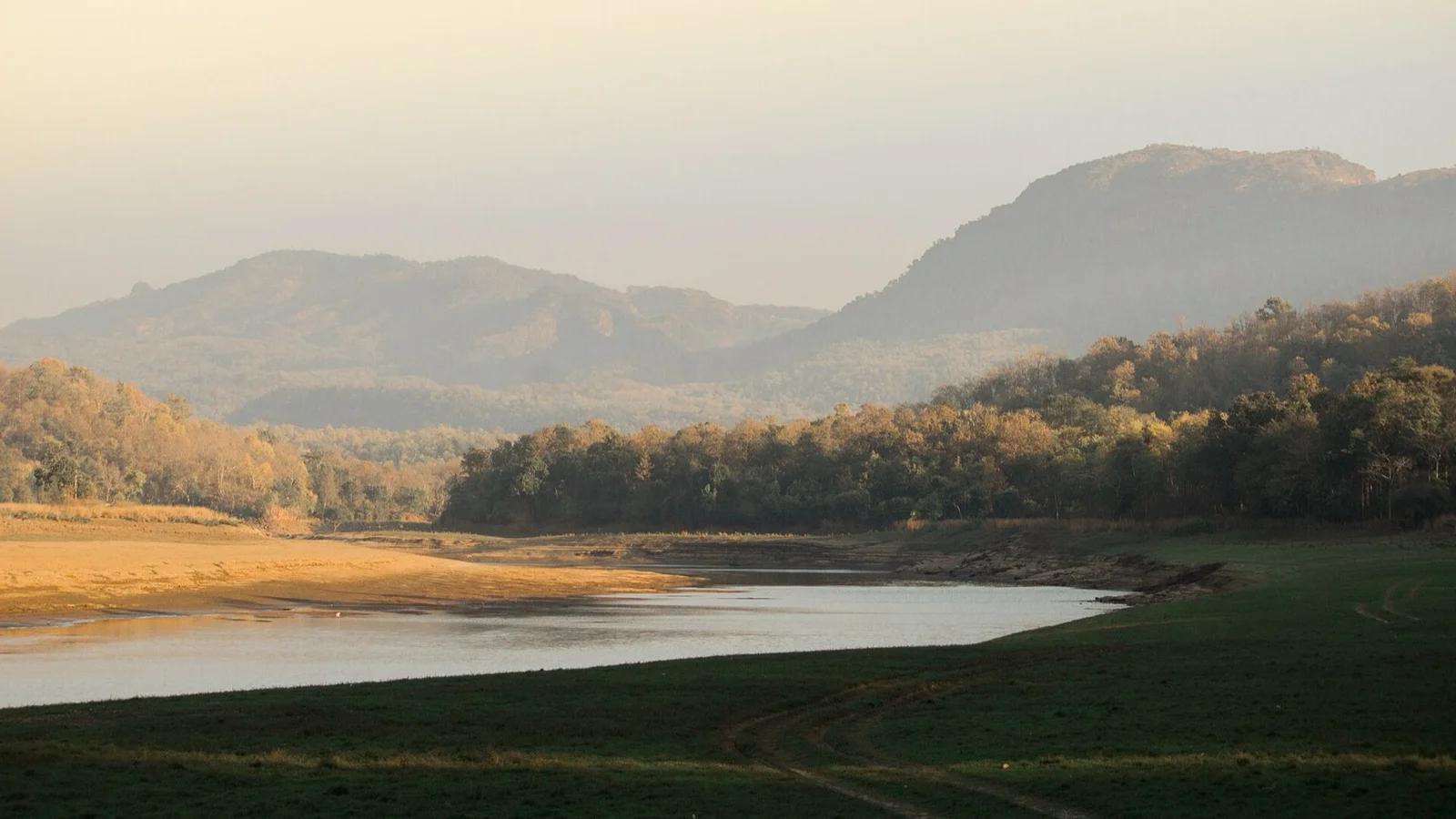
Satpura is the tiger reserve India forgot to crowd. At Madhai, the main gate, you enter by boat across the Denwa backwater — the road ends at the jetty, and the jeep waits on the far bank — and beyond it more than two thousand square kilometres of sandstone hills, teak and sal fold away toward Bori, the oldest reserved forest in India, set aside in 1865. This is one of the only reserves in the country you can explore on foot: walking safaris move single file behind a naturalist through the buffer forest, reading tracks, standing still while a sloth bear works a termite mound. Canoes go out on the Denwa at first light. Leopards keep to the trees and giant squirrels to the canopy, and above it all rises the Pachmarhi plateau — a UNESCO biosphere reserve — where rock shelters hold paintings as much as ten thousand years old and Dhupgarh, at 1,352 metres the highest point in Madhya Pradesh, takes the last of the light.

A safari boat comes home across the Denwa at dusk
A safari boat comes home across the Denwa at duskBSSKrishnaS · Wikimedia (CC BY-SA 4.0)

You don’t simply book a room in Satpura. You tell us what you’re seeking — stillness, ceremony, the mountains, the table — and we curate the days around you.

( field notes, dawn to night )

A day here

Dawn

A canoe slides onto the Denwa backwater before the sun clears the hills. No engine, no wake — only the small sound of the paddle, mist lifting off the water, kingfishers beginning to work the banks.

Morning

A walking safari in the buffer forest. The naturalist reads the night's tracks in the dust; you learn to step where he steps, to stand still when the langurs call, to let the forest decide what you see.

Dusk

The boat back across the water as the hills turn to silhouette. Gaur come down to drink. Far to the south, Dhupgarh holds the last of the light.

Night

Dinner by lamplight at the lodge, the forest audible across the water. You sleep early, and deeply, the way you did as a child.

( what stays with you )

The experience
The walking safari

The walking safari

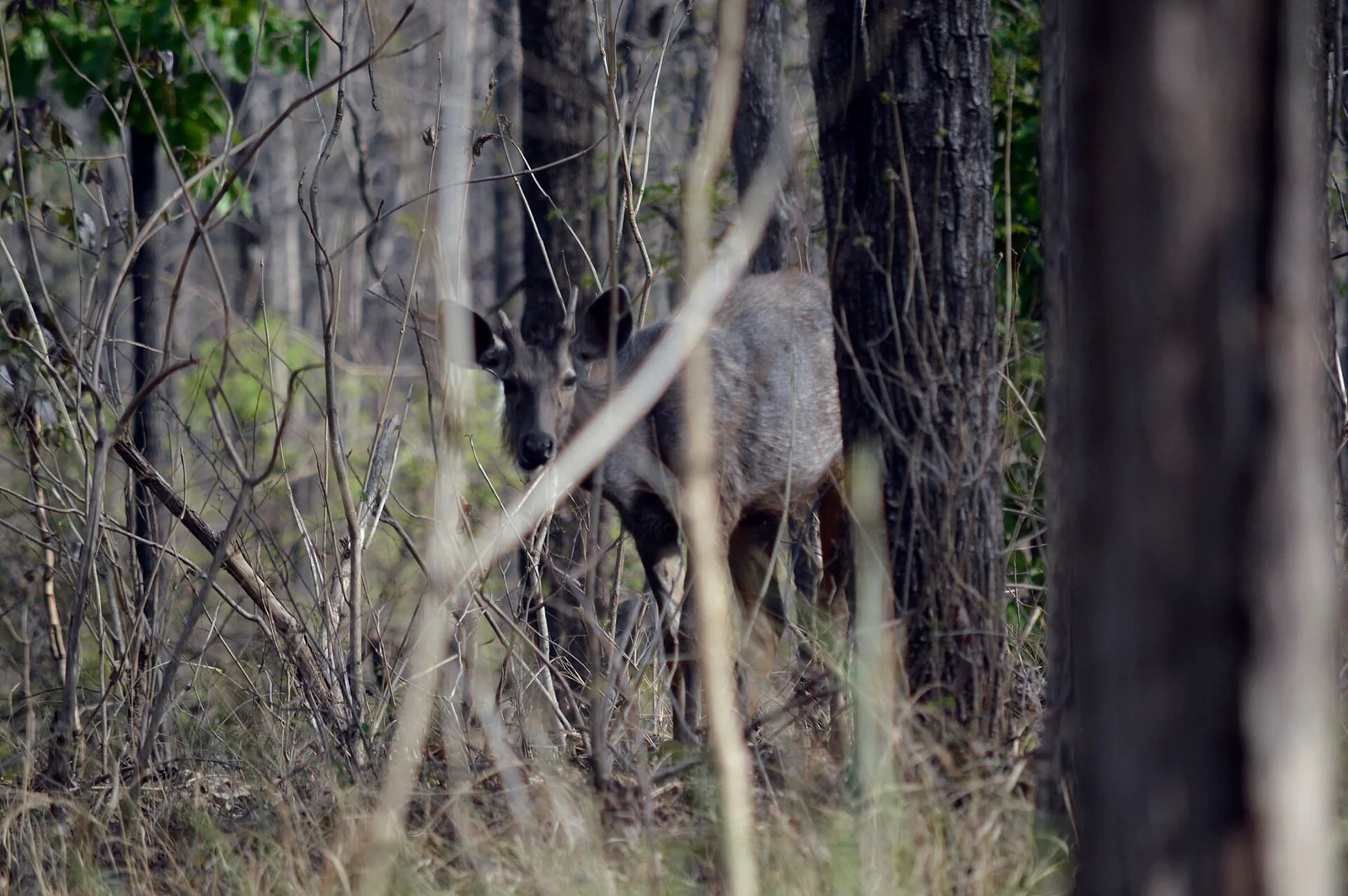
Satpura is one of the only reserves in India that lets you meet the forest on foot. You walk single file behind a naturalist through the buffer forest, learning tracks and birdcall, and a sambar seen at eye level — no engine, no window — is a different animal entirely. It is the closest thing a safari offers to walking meditation.

Suvro Banerjee · Wikimedia (CC BY-SA 4.0)

Canoeing the Denwa

Canoeing the Denwa

The canoe goes out at first light and again before dusk, and it moves the way the reserve does — silently. Mugger crocodiles haul out on the sandbanks, storks lift off the shallows, and because nothing about you announces itself, the backwater carries on as if you were not there. An hour of paddling slows the breath better than most practice.

BSSKrishnaS · Wikimedia (CC BY-SA 4.0)
The hour of the sloth bear

The hour of the sloth bear

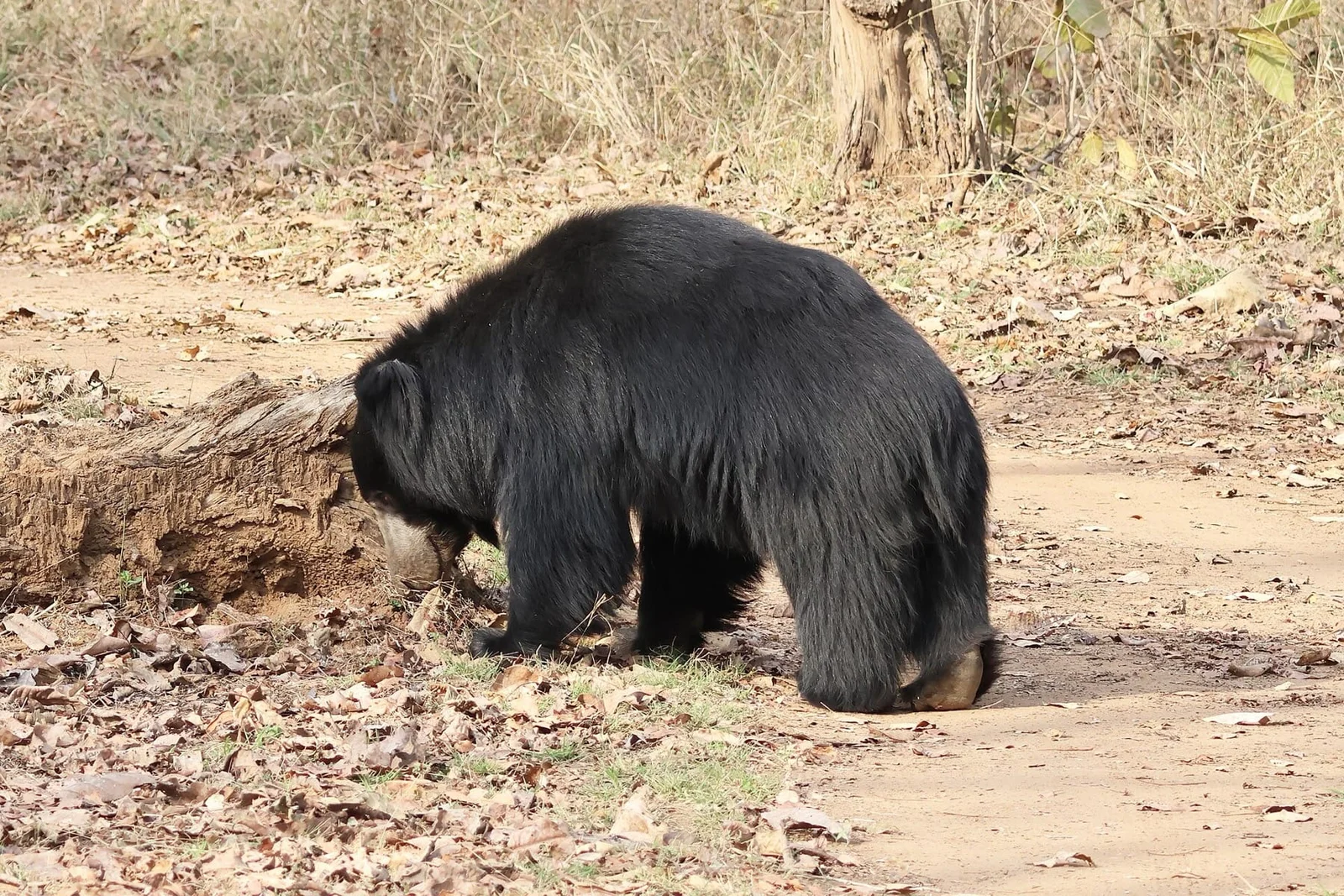
Satpura is among the most reliable places in India to watch sloth bears, and to watch them unhurried — a long-coated animal working a termite mound while your jeep idles alone on the track. With so few vehicles in the park, a sighting here is not a scrum. It is an audience.

Bernard Gagnon · Wikimedia (CC BY 4.0)
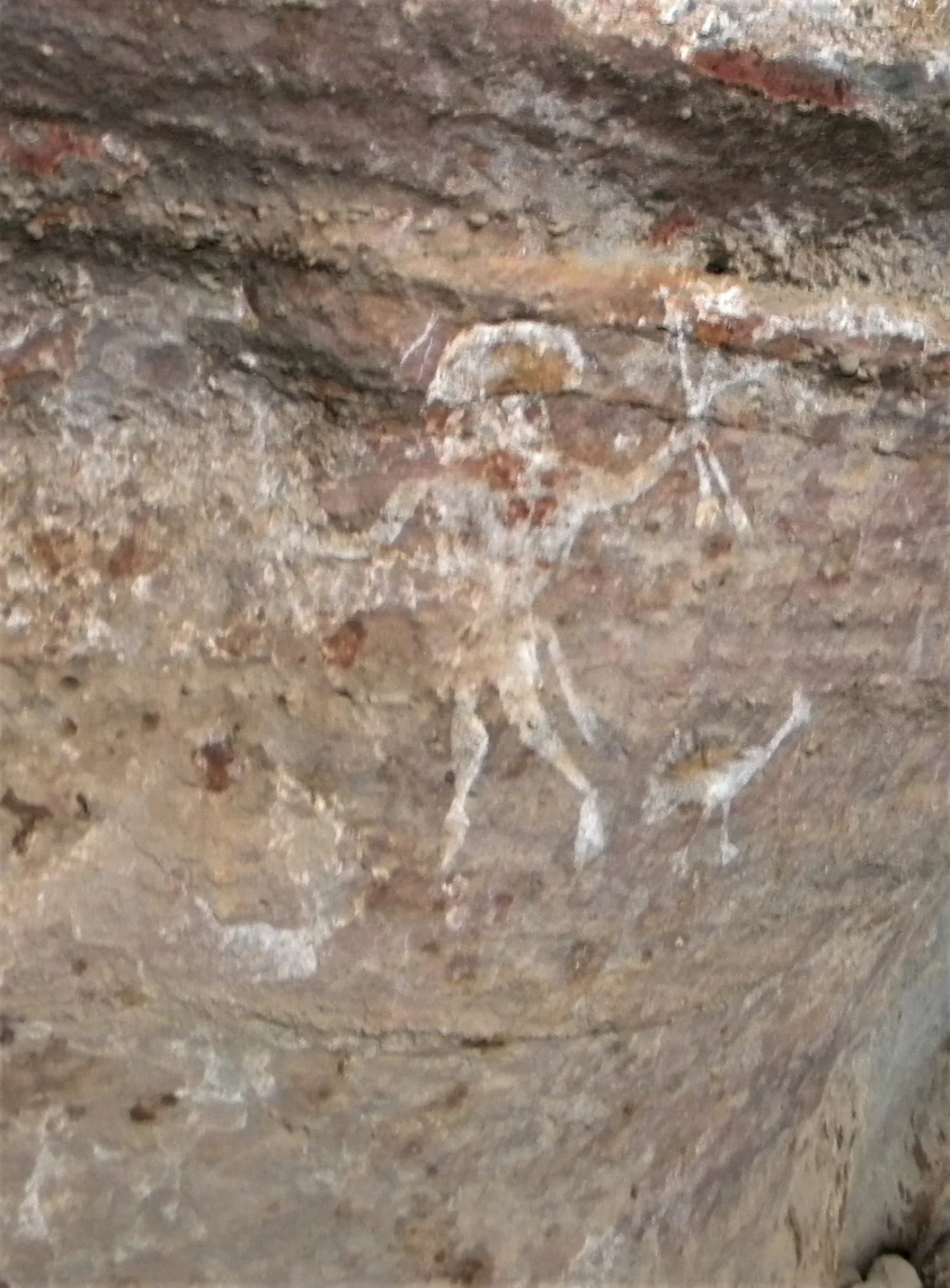
Rock shelters of Pachmarhi

Rock shelters of Pachmarhi

Above the reserve, the Pachmarhi plateau — a UNESCO biosphere reserve — keeps sandstone shelters painted over thousands of years, some as much as ten millennia old. You climb to them through forest and stand where people stood before history, hunters and dancers still pale on the rock. It reorders your sense of time.

Ankit Saha · Wikimedia (CC BY-SA 4.0)

Birds of the backwater

Birds of the backwater

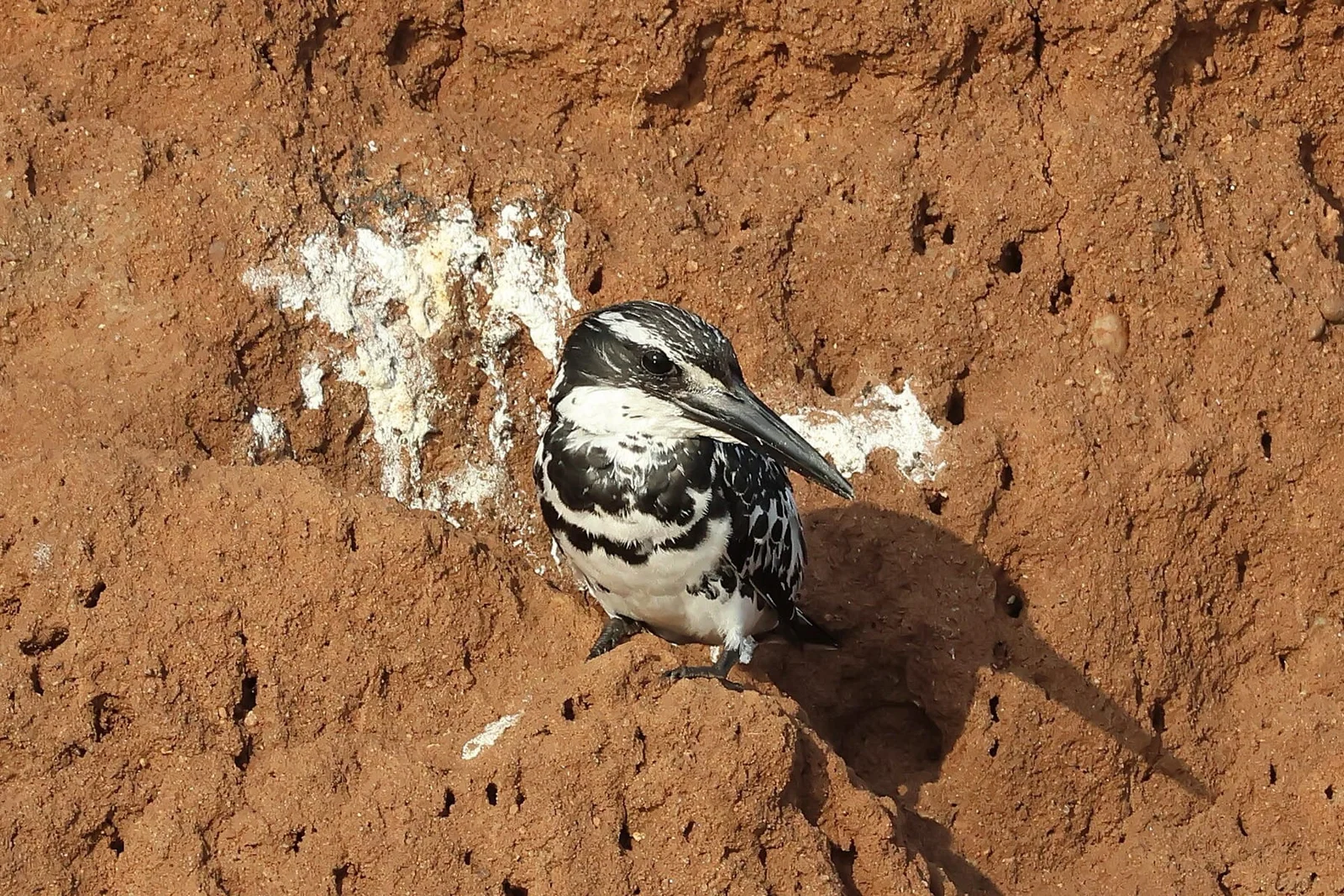
Pied kingfishers hover over the shallows, crested serpent eagles watch from the teak, rollers cross the meadows in a line of blue. Birding here is done from a drifting boat or on foot at dawn, binoculars up, voice down — an exercise in attention that empties the mind faster than it fills the list.

Bernard Gagnon · Wikimedia (CC BY 4.0)

Experiences we can arrange

Walking Safaris
Canoe & Boat Safaris
Forest Bathing
Riverside Yoga & Meditation
Naturalist-led Birding
Night Drives in the Buffer

( let us curate your retreat )

Walking does something the jeep never could. Stripped of glass and engine noise, you stop scanning for tigers and start noticing everything else — the alarm call, the clawed trunk, the smell of rain held in sandstone. By the last morning your pace has changed, and so has your attention. You go home slower, in the best sense.

Come to the quiet reserve. Walk in, and let the forest set your pace.

best time to visit — October to March — cool, dry and clear; the core zone closes for the monsoon from July to September.

tell us what you're seeking · we compose the days around you

have us curate this →